
Views: 123 Author: Site Editor Publish Time: 2026-08-26 Origin: Site


Transitioning from legacy materials to modern friction solutions presents a significant operational challenge. Engineers must carefully balance braking torque, drum wear, and occupational safety. We define a glass-fiber-free brake lining as a highly specialized friction material. It typically utilizes brass wire, aramid, or advanced synthetic yarns blended into cured resins. Manufacturers engineer it as a specific alternative to standard fiberglass-reinforced materials. Why does this technical distinction matter? Standard fiberglass handles high heat well but severely damages softer cast-iron drums. It can also pose respiratory safety concerns during maintenance tasks. Our comprehensive guide provides engineers, procurement managers, and restoration specialists a clear, evidence-based framework. You will learn how to properly evaluate this unique formulation. We will help you determine if a glass-free material is the exact technical fit for your specific brake band or hoist application.
Glass-fiber-free linings prevent accelerated scoring and wear on softer, vintage, or specialized industrial brake drums.
As a highly conformable semi-flexible brake lining, it provides superior mating surface contact for heavy-duty band brakes and winches.
Selecting this material requires strict attention to operating temperatures, as glass-free synthetic blends have different thermal fade thresholds than fiberglass or metallic alternatives.
Ensuring compliance with modern safety standards requires vetting suppliers for certified asbestos-free friction material documentation (SDS).
Standard fiberglass linings are highly heat-resistant. However, they are also intensely abrasive. Fiberglass threads act like micro-cutting tools under heavy clamping loads. They aggressively score softer cast-iron drums. This presents a massive engineering problem for older machinery. Vintage antique automobiles, delicate glider braking systems, and legacy industrial equipment rely on irreplaceable brake drums. Once you machine these original drums past their minimum safe thickness, you cannot easily replace them. Removing fiberglass from the friction matrix stops this destructive grooving. It creates a sacrificial wear dynamic. The brake lining wears down gracefully, preserving the expensive metal drum beneath it.
Friction dust presents a major environmental and health compliance issue. Maintenance crews inhale particulate matter during inspections and replacements. Standard fiberglass materials often shed microscopic, irritating shards as they degrade. These airborne particles pose distinct occupational health hazards. Regulatory bodies strictly monitor workshop air quality. Moving away from glass fibers significantly improves workplace safety. Glass-fiber-free materials produce less abrasive, non-irritating particulate matter. They help facility managers easily meet modern environmental regulations without sacrificing mechanical braking performance.
Band brakes dynamically shift under tension. Many heavy-duty drums are also slightly out-of-round. Standard rigid materials cannot flex to accommodate these shape irregularities. Heavily fiberglass-reinforced products remain incredibly stiff. If you apply a rigid lining to an out-of-round drum, it creates isolated high-pressure contact points. You lose full surface area engagement. This conformity deficit leads to localized overheating, severe chatter, and inconsistent stopping power. Synthetic glass-free weaves bend effortlessly. They wrap perfectly around external contracting bands. They expand smoothly inside internal drum configurations.
You must carefully match the friction rating to your required stopping power. Most glass-free woven materials offer a stable friction coefficient between 0.40 and 0.50. This range provides smooth, predictable engagement. If the friction coefficient is too high, the system will aggressively grab. This induces severe mechanical chatter. If the coefficient is too low, the operator experiences unsafe braking fade. You must review both the static holding power and dynamic stopping power. A well-formulated resin blend ensures the coefficient remains linear across different operating speeds.
Glass-free materials require careful thermal evaluation. You must evaluate the continuous operating temperature against the maximum spike temperature. Standard synthetic blends handle moderate, intermittent heat beautifully. However, prolonged downhill braking or continuous winch lowering generates extreme friction heat. High heat can boil the internal resins. This causes sudden brake fade. You must analyze your equipment duty cycle. Determine exactly when a true high-temperature brake lining using specialized aramid or woven metallic threads is strictly required over basic synthetic blends.
Maximum braking efficiency requires 100% arc contact. Rigid blocks cannot achieve this on flexible steel bands. This is where a formulated semi-flexible brake lining delivers a massive mechanical advantage. It conforms instantly to the drum radius during actuation. This perfect mating surface distributes clamping force evenly. It eliminates localized hotspots. It also dramatically improves tactile feedback for operators controlling manual hoists or antique vehicle pedals.
Engineers must accept a transparent performance trade-off. Glass-fiber-free materials are inherently softer. They may require more frequent replacement intervals compared to harsh metallic or rigid fiberglass pads. However, this intentional rapid wear protects your hardware. You exchange the minimal cost of friction material for the safety of your machinery. Extending the lifespan of expensive, hard-to-source brake drums is always the correct engineering choice. Regular lining replacement is a simple maintenance task. Machining a destroyed custom drum is a logistical nightmare.
Certain industrial and recreational sectors benefit immensely from removing fiberglass from their braking systems. We map the most common applications below.
Marine and Industrial Winches: These applications involve high load and low speed. Operators require perfectly smooth engagement to prevent load dropping. Glass-free weaves resist saltwater corrosion excellently. They do not rust or swell when saturated with marine moisture.
Antique Automobile and Tractor Restoration: Preservation is the ultimate goal here. Mechanics must maintain historical accuracy. They also need to protect irreplaceable soft cast-iron brake drums. Woven glass-free products replicate original 1920s and 1930s braking feel flawlessly.
Aviation / Glider Braking Systems: Gliders utilize extremely lightweight, compact drum systems. They demand precise, non-grabbing modulation during landing. Sudden wheel lock-up causes catastrophic ground loops. Soft woven linings provide this critical linear feedback.
Elevator and Crane Hoists: Safety-critical vertical lifting demands absolute reliability. Elevator codes legally mandate predictable friction coefficients. They also require non-abrasive wear characteristics. Any scoring on a primary hoist drum could trigger a massive safety inspection failure.
Understanding the fundamental manufacturing differences helps you choose the correct format for your application. Woven and molded processes yield entirely different mechanical properties.
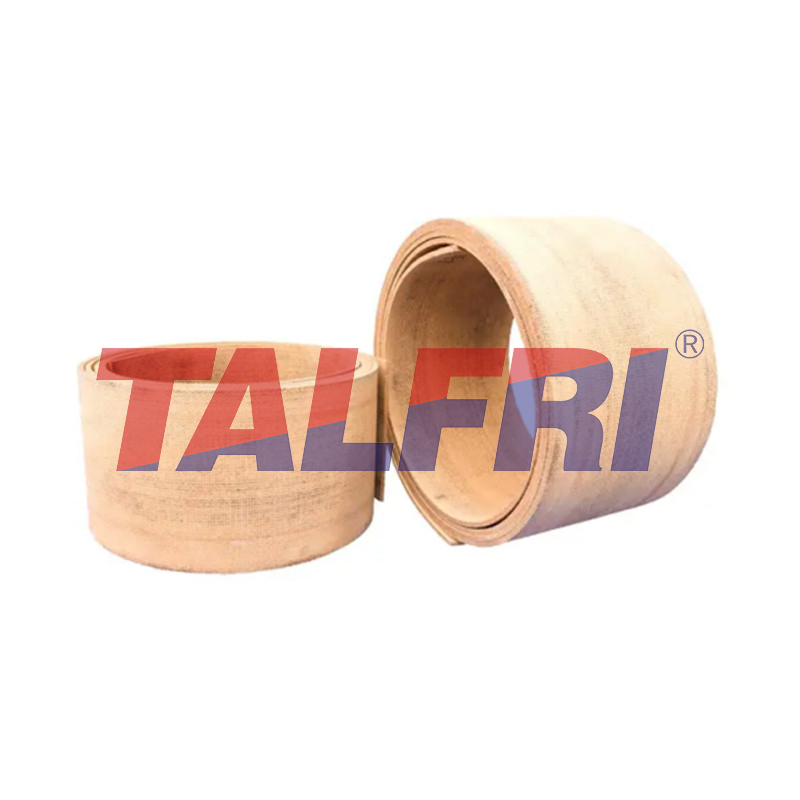
Manufacturers weave continuous brass, aramid, and synthetic yarns together. They then impregnate this dense fabric with specialized curing resins. This process creates incredible internal tensile strength. Woven materials resist oil and water contamination far better than molded blocks. They also offer extreme flexibility. Suppliers typically ship them as a continuous woven brake roll. They are best for heavy-duty band brakes, winches, and vintage drums. The main limitation is a slightly higher upfront cost. They also require specific break-in procedures to seat the material properly.
Molded linings consist of dry friction powders and short fibers compressed under massive hydraulic pressure and heat. They cure into rock-hard, rigid blocks. They are best for high-speed, extreme-heat applications like modern automotive disc pads. However, they possess severe limitations for industrial bands. They are extremely brittle. You cannot bend them around tight drum radii without fracturing the block. They are entirely ineffective for external contracting band brakes.
Feature | Woven Brake Linings | Molded Brake Linings |
|---|---|---|
Manufacturing Process | Interlocking woven yarns impregnated with resins | Compressed powders and short fibers under heat |
Flexibility | Extremely high; bends easily around bands | None; highly rigid and prone to fracturing |
Tensile Strength | Superior; yarns hold the matrix together | Moderate; relies purely on binder resins |
Oil / Water Resistance | Excellent; maintains friction when contaminated | Poor; absorbs fluids and glazes easily |
Ideal Application | Winches, hoists, antique drums, band brakes | Modern disc brakes, high-speed rotors |
You have two primary attachment options. Using traditional brass rivets provides excellent mechanical security. Brass is softer than cast iron. It will not score the drum if the lining wears down too far. However, rivets reduce the usable friction surface area. Thermal bonding utilizes high-temperature industrial adhesives. It provides maximum surface area contact and zero rivet scoring risk. The main risk factor with bonding is catastrophic adhesive failure. If you apply incorrect oven curing temperatures during installation, the lining will shear off the steel band under heavy loads.
Accurate measurement prevents severe mechanical failures. You must carefully measure drum runout using a dial indicator. Next, calculate the exact required lining thickness. If the lining is too thick, it drags against the drum. This dragging generates massive latent heat. It quickly leads to dangerous thermal lock-up. If the lining is too thin, the actuator cam reaches its maximum stroke before full engagement. Always subtract any machined drum wear from your OEM specifications before ordering your material.
You must set realistic expectations for the initial break-in period. Fresh woven linings require a controlled bedding-in process. During the first few thermal cycles, the friction heat burns off excess surface resins. You may smell a distinct odor and notice a temporary drop in braking power. This is completely normal. The material needs time to mate perfectly against the microscopic pores of the steel drum. Perform several gentle stops from moderate speeds. Allow the system to cool completely between cycles. This optimizes resin burn-off and guarantees long-term friction stability.
Transitioning your equipment to a new friction material requires methodical planning. Follow these standardized procurement steps.
Audit Equipment Specifications: Carefully document your drum diameter and width. Calculate the required braking torque. Note your operating environment. Determine if the brake runs completely dry, operates in wet marine weather, or runs fully oil-immersed.
Request Safety Data Sheets (SDS): Never buy anonymous friction material. Mandate official documentation from the supplier. You must verify the product is a true certified asbestos-free friction material. Use the SDS to confirm the exact proprietary yarn blend and rule out hidden fiberglass content.
Specify Format: Decide your purchasing strategy. You can buy pre-cut, pre-arced segments matched to your exact band. Alternatively, you can purchase a continuous woven roll. Rolls are ideal for on-site fabrication and maintaining diverse heavy equipment fleets.
Supplier Vetting: Evaluate friction manufacturers rigorously. Look for current ISO certifications. Ask about their batch consistency testing methods. Ensure they offer accessible application-engineering support to help you calculate complex drum wear tolerances.
Choosing a glass-fiber-free woven brake lining is ultimately a strategic mechanical trade-off. You knowingly sacrifice absolute maximum heat resistance to prioritize drum preservation, smooth engagement, and extreme material flexibility. This choice protects irreplaceable hardware and improves workplace safety. We encourage technical buyers to thoroughly evaluate their operating environments. Prioritize exact drum material compatibility and verifiable safety data over cheap unit costs. Audit your equipment, calculate your exact thickness requirements, and partner with transparent manufacturers.
A: Installing new friction material directly over deeply scored drums accelerates wear. You must true the brake drums before installation. Resurfacing removes harsh grooves. This creates a smooth mating surface. Without truing, the abrasive drum ridges will rapidly chew through the softer, glass-free resins. Always verify remaining drum thickness meets OEM specifications after machining.
A: You can cold-form most modern glass-free woven materials around moderate radii. However, they have distinct cold-forming limits. Bending them too sharply without controlled heating can fracture the internal resin bonds. If you encounter significant resistance on a tight band, apply gentle, even heat. This softens the curing resins temporarily. It prevents structural cracking during installation.
A: No, these terms mean completely different things. All modern, legally compliant friction products are non-asbestos. However, many non-asbestos products still rely heavily on fiberglass to achieve high heat resistance. A glass-free product explicitly removes fiberglass from the yarn blend. Manufacturers substitute it using brass wire, aramid fibers, or pure synthetic threads.
A: Measure your current drum diameter carefully. Compare it against the original OEM specification. If you machined the drum, subtract the current diameter from the original spec. Divide this difference by two. Add this value to the standard factory lining thickness. This calculation provides the exact oversized thickness required to restore proper geometry.


