
Views: 156 Author: Site Editor Publish Time: 2026-04-21 Origin: Site


Factory-installed brakes handle unladen daily commutes perfectly. They rarely survive the extreme thermal stress of max-payload hauling or continuous mountain towing. Pushing stock brakes past their thermal limit inevitably leads to severe brake fade. You will experience accelerated pad wear and dangerously long stopping distances when hauling heavy equipment. Your vehicle requires components engineered for intense friction and heat dissipation.
Our goal here is simple and direct. We provide a hype-free, technical evaluation of aftermarket Disc Brake Pads designed to handle extreme heat. We focus on options built for the intense kinetic energy of heavy-duty trucks, including 3/4-ton pickups, 1-ton trucks, and commercial fleets. You will learn exactly how to read friction ratings and match materials to your specific towing demands.
Material matters most: Semi-metallic pads generally outperform ceramic and organic pads in high-heat, heavy-towing scenarios.
Look for D.O.T. friction ratings: True heavy-duty performance is verifiable via two-letter edge codes (e.g., FF, GG) stamped on the pad, indicating cold and hot friction coefficients.
Heat management is the primary failure point: Upgrades must feature thermal barrier underlayers to prevent brake fluid boil.
Installation dictates performance: Skipping the thermal bed-in process or neglecting caliper hardware lubrication will ruin even the highest-tier brake pads.
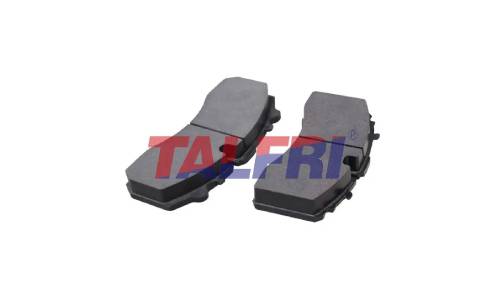
Stopping a 10,000-pound load is entirely about converting kinetic energy into heat. Your braking system acts as a massive thermal sink. Factory-issue pads often lack the thermal mass required to shed this intense heat repeatedly. When you tow a heavy trailer down a steep grade, your brakes absorb massive amounts of energy. OEM compounds quickly lose their structural stability. They begin to outgas, creating a microscopic layer of vapor between the pad and the rotor. This phenomenon drastically reduces stopping power.
Excess heat creates a deadly chain reaction within the braking system. Heat transfers rapidly from the friction material. It travels through the steel backing plate directly into the caliper piston. This thermal transfer can cause your brake fluid to boil. Boiling brake fluid introduces compressible gas bubbles into your hydraulic lines. You will immediately feel a "spongy" pedal. In severe cases, you can experience total brake loss. Managing heat at the backing plate is absolutely critical for heavy trucks.
Drivers frequently misdiagnose a shuddering steering wheel as a "warped rotor." True rotor warping is incredibly rare. The intense heat of heavy braking actually causes a different problem. When you hold overheated brake pads against a hot rotor at a stoplight, friction material melts. This deposits an uneven layer of material onto the rotor surface. These uneven deposits create variations in thickness. You feel these tiny variations as a violent vibration. Proper thermal management prevents this uneven pad transfer completely.
Choosing the right friction material dictates your braking success. Manufacturers blend dozens of distinct elements to create brake pads. Each formulation behaves differently under extreme thermal loads.
Semi-metallic pads represent the gold standard for max-payload towing. They contain a high percentage of steel, iron, and copper fibers. This metallic matrix acts as an exceptional heat conductor. It pulls heat away from the rotor face incredibly well. They offer the highest friction coefficient at extreme temperatures. You gain superior resistance to brake fade during continuous downhill braking. However, they come with trade-offs. They can be noisier during daily driving. They produce noticeable dark brake dust. They also cause slightly more wear on your brake rotors over time.
Ceramic pads offer an excellent upgrade for light-duty trucks and unladen daily drivers. They operate exceptionally quietly. They produce very little visible dust, keeping your wheels clean. They also boast a long operational lifespan. Unfortunately, ceramic acts as a powerful thermal insulator. Rather than drawing heat away, it traps heat at the rotor interface. This thermal retention makes ceramic compounds less ideal for extreme downhill towing. Your rotors can overheat rapidly if you pull heavy trailers.
Manufacturers build Non-Asbestos Organic (NAO) pads using glass fibers, Kevlar, and rubber. They bind these materials together using a specialized resin base. These pads operate silently and treat rotors very gently. However, they fail rapidly under heavy thermal loads. Extreme heat breaks down the organic binders. The material consumes itself at an alarming rate during heavy hauling. We do not recommend organic pads for max-payload commercial use or heavy towing applications.
Material Comparison Chart for Heavy Trucks
Material Type | Heat Dissipation | Towing Capability | Dust & Noise Level | Rotor Wear |
|---|---|---|---|---|
Semi-Metallic | Excellent | Maximum Payload / Fleet | High Dust / Moderate Noise | Moderate to High |
Ceramic | Poor (Acts as insulator) | Light Towing / Daily Driving | Low Dust / Ultra Quiet | Low |
Resin Base / NAO | Moderate | Not Recommended for Towing | Low Dust / Quiet | Very Low |
You must look beyond marketing claims when selecting heavy truck brake pads. True performance relies on verifiable manufacturing technologies. Always check for these specific technical features before purchasing.
D.O.T. Edge Codes (Friction Ratings): The Department of Transportation uses a strict rating system. Look at the edge or back of the pad for two stamped letters (e.g., EE, FF, GG). The first letter indicates cold friction performance. The second letter indicates hot friction performance. A "GG" rating signifies excellent friction in both cold and hot operating conditions. This remains a strict requirement for heavy trucks.
Thermal Barrier Underlayers: Premium pads feature a specialized insulating layer. Manufacturers place this barrier between the friction material and the steel backing plate. It physically blocks heat transfer to the brake caliper. This prevents your hydraulic fluid from boiling during long, steep descents.
Thermal Scorching (Pre-Curing): Quality pads undergo high-heat factory scorching. This process superheats and cures the top millimeter of friction material. Scorching burns off uncured resins left over from the molding process. This drastically reduces your break-in period. It provides immediate, safe stopping power straight out of the box.
Advanced NVH Shims: Heavy-duty friction compounds are inherently aggressive. They create high-frequency vibrations. Look for multi-layer constrained shims. The best feature a "rubber-steel-rubber" construction. These premium shims absorb vibrations before they reach the caliper. They effectively control Noise, Vibration, and Harshness (NVH).
Environmental Compliance: Modern heavy-duty pads must meet strict environmental standards. Premium brands are shifting to 100% copper-free formulas. Look for the "Leaf Mark N" compliance stamp. This ensures the pads meet stringent state regulations, like the California and Washington 2025 mandates. They achieve this eco-friendly standard without sacrificing any stopping torque.
Every truck serves a different purpose. You must match your friction material to your worst-case payload scenario. Buying the most expensive pad does not guarantee optimal performance if it misaligns with your vehicle usage.
Commercial work trucks endure relentless abuse. You should prioritize robust semi-metallic compounds. Look specifically for a "GG" friction rating. Ensure the pads feature thick thermal underlayers. In commercial applications, longevity and fade resistance completely supersede dust and noise concerns. Your primary goal is preventing catastrophic brake failure fully loaded.
Recreational towers often care more about wheel cleanliness. If heavy dust is a major concern, consider high-grade carbon-fiber ceramic blends. However, you must pair them correctly. Always install explicit heavy-duty drilled or slotted rotors with ceramic pads. These upgraded rotors assist with the heat extraction that ceramic materials inherently lack.
Many older trucks use rear drum brakes. Owners frequently perform drum-to-disc conversions using 8-lug setups. You must carefully match your friction materials when doing this. Ensure your new emergency brake pads provide extreme grip. They must hold heavy loads securely on steep inclines without slipping.
Best Practices for Pad Selection
Always check your vehicle owner's manual for maximum Gross Vehicle Weight Rating (GVWR) before upgrading.
Never downgrade from a factory semi-metallic to an organic pad on a 1-ton truck.
Inspect edge codes physically when opening the box; do not rely solely on online descriptions.
The best friction material in the world will fail if installed incorrectly. Installation mechanics dictate real-world performance. You must follow strict procedures to extract maximum value from your heavy-duty upgrade.
The bedding-in process is absolutely non-negotiable. New pads require a specific heat-cycling procedure. You must perform a series of controlled stops from moderate speeds. This process gradually heats the pads and rotors. It transfers a microscopic, uniform friction film directly onto the rotor face. Failing to properly bed the pads prevents this film transfer. It leads directly to severe vibration and diminished stopping power.
You cannot ignore your caliper hardware. Replacing pads without replacing abutment clips is a massive mistake. You must properly lubricate the caliper slide pins with high-temperature silicone paste. Dry or seized slide pins cause the caliper to stick. This results in dragging brakes, rapid uneven pad wear, and catastrophic overheating.
Finally, carefully evaluate your rotor condition. Warn your mechanics against "pad slapping." This term describes installing new heavy-duty pads on heavily worn, grooved, or glazed OEM rotors. Heavy-duty pads are rigid. They require a fresh, perfectly flat mating surface to function effectively. Installing premium pads on damaged rotors ruins the new friction material instantly.
Common Installation Mistakes
Using standard petroleum-based grease on slide pins (it swells rubber boots).
Skipping the rotor surface preparation with brake cleaner before installation.
Holding the brake pedal down at a stop immediately after the bedding process.
Upgrading your heavy truck brake pads is a functional necessity for towing safely. It is never merely a cosmetic enhancement. Pushing stock components past their thermal limits endangers your vehicle, your cargo, and other drivers on the road. You must approach this upgrade methodically.
To ensure safe hauling, follow these final action steps:
Match your friction material to your heaviest, worst-case payload scenario.
Always verify D.O.T. friction ratings (aim for GG) physically on the pad.
Prioritize thermal management technologies like underlayers over flashy marketing claims.
Commit fully to the manufacturer’s specific bedding-in procedure immediately after installation.
Always replace hardware and lubricate slide pins to guarantee even pad wear.
A: These letters represent SAE J866 friction coefficient ratings. The first letter shows cold friction performance. The second shows hot friction. Letters range from E to H. For example, "F" indicates a 0.35-0.45 coefficient. "G" indicates a 0.45-0.55 coefficient. Heavy trucks should look for high ratings like FF or GG.
A: No. While ceramic pads run cleaner and quieter, they do not dissipate heat effectively under extreme loads. They act as insulators, trapping heat in the rotor and caliper. Semi-metallic pads pull heat away much better, making them vastly superior for heavy towing and descending steep grades.
A: Squealing usually results from improper installation. Common causes include a lack of proper thermal bedding, omitting the required NVH (noise, vibration, harshness) shims, or failing to lubricate the caliper contact points and slide pins. Heavy-duty compounds are inherently aggressive and require perfect hardware setup.
A: It is highly recommended. Aggressive heavy-duty friction compounds generate significantly more heat and physical stress than standard pads. Paired heavy-duty rotors—especially those with enhanced cooling vanes or slots—effectively manage this extra heat and provide a fresh, flat mating surface for optimal braking power.


