


Automakers routinely present carbon ceramic brake systems as the ultimate track-day upgrade. Dealerships frame them as an uncompromising necessity for high-performance driving. Yet, veteran drivers frequently pull these exotic setups off their cars. They convert them right back to traditional heavy-duty iron. High-performance car owners face a critical hardware decision that impacts vehicle dynamics and driving safety. Choosing the wrong brake setup leads to excess unsprung weight on the street or catastrophic hardware failure on the track.

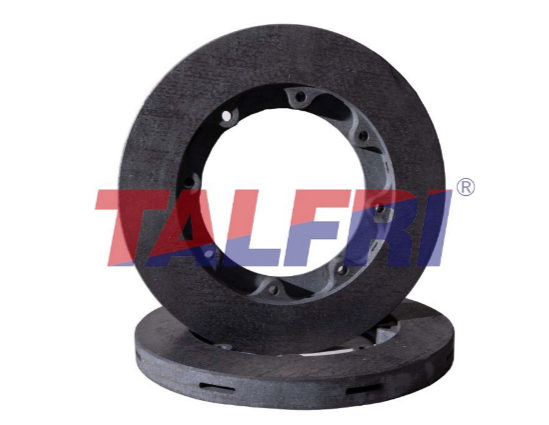
High-performance vehicles demand elite braking hardware. Carbon Ceramic Brake Rotors represent a massive performance investment, often ranging between $15,000 and $25,000 per set. They easily resist severe heat fade. They also handle aggressive mechanical wear on the track effortlessly. Despite their incredible durability during high-speed driving, they remain remarkably vulnerable during routine maintenance operations.
Imagine staring at a repair estimate exceeding $30,000. You brought your performance vehicle in for a routine service. Instead, the dealership quoted an astronomical figure for a complete brake replacement. This sudden financial shock remains a common pain point for modern sports car owners. Dealerships frequently recommend premature replacements. They often base these aggressive service intervals on outdated cast-iron wear metrics. Furthermore, original equipment manufacturer markups sit at exceptionally high levels.


