
Views: 181 Author: Site Editor Publish Time: 2026-07-09 Origin: Site


Automakers routinely present carbon ceramic brake systems as the ultimate track-day upgrade. Dealerships frame them as an uncompromising necessity for high-performance driving. Yet, veteran drivers frequently pull these exotic setups off their cars. They convert them right back to traditional heavy-duty iron. High-performance car owners face a critical hardware decision that impacts vehicle dynamics and driving safety. Choosing the wrong brake setup leads to excess unsprung weight on the street or catastrophic hardware failure on the track.
We need to strip away the glossy marketing hype surrounding modern braking systems. This guide delivers an objective, engineering-focused use-case analysis comparing traditional steel rotors and modern carbon ceramic configurations. You will discover exactly how these materials react under different thermal loads and environmental conditions. We will explore rotational mass physics, material oxidation, and daily drivability realities. This ensures you can make a well-informed upgrade choice without falling for common industry misconceptions.
Weight vs. Mass: Carbon ceramic rotors reduce total unsprung weight by up to 40 lbs per vehicle, transforming suspension response and acceleration.
The Street Advantage: For daily driving and canyon carving, carbon ceramics offer virtually zero brake dust, zero noise, and can last the lifetime of the vehicle (70,000 to 100,000+ miles).
The Track Reality: Extreme track temperatures cause carbon ceramic materials to oxidize (vaporize) rather than wear mechanically, leading to rapid degradation and replacement costs exceeding $15,000.
The Conversion Trend: Many serious track enthusiasts actively replace factory carbon ceramic setups with high-performance slotted steel/iron rotors to manage consumable costs.
Let us clear up a major automotive misconception first. People often confuse street-legal carbon brakes with Formula 1 technology. They are completely different materials designed for entirely different environments. Formula 1 cars use pure "Carbon-Carbon" brakes. These racing components require massive heat to generate any useful friction. If you installed Carbon-Carbon discs on a street car, you would likely crash at the very first stoplight because they offer almost zero bite when cold.
Instead, modern road cars use Carbon Ceramic Matrix (CCM) rotors. Manufacturers create these using a highly complex and time-consuming baking process. They start with a specialized carbon ceramic base mixed with silicon resin. The factory bakes this mixture at extreme temperatures for several weeks. As the silicon melts, it reacts to form silicon carbide. This process creates a dense, rock-hard matrix. It generates excellent friction at ambient city temperatures, yet safely withstands intense canyon-carving heat.
When we discuss "steel" rotors in the performance world, we rarely mean pure steel. The industry standard remains high-carbon grey cast iron. Some specialized racing applications do use layered steel plates. However, grey iron dominates the performance market for a specific engineering reason. It offers phenomenal thermal conductivity. The graphite flakes inside cast iron absorb brutal heat spikes and disperse them rapidly into the surrounding air. This makes iron an incredibly stable, predictable material for absorbing kinetic energy.
The most noticeable dynamic shift in your vehicle comes from weight reduction. Carbon Ceramic Brake Rotors are significantly lighter than their cast iron equivalents. This specific weight reduction plays a massive role in how the car behaves during aggressive driving maneuvers.
Let us look at the verified weight savings. A carbon ceramic disc is typically 50% to 60% lighter than an iron disc of the exact same dimensions. Automakers must use slightly larger calipers to house the oversized brake pads required for carbon setups. This bulkier caliper adds a slight amount of weight back into the system. However, the net reduction remains massive. You typically drop about 10 lbs of rotational and unsprung mass per corner of the vehicle. Over four wheels, dropping 40 lbs of rotating weight yields extraordinary dynamic benefits.
Reducing rotational inertia transforms vehicle handling instantly. The suspension system has less unsprung mass fighting against it. This translates directly to sharper steering turn-in response. Your shock absorbers can rebound much faster after hitting track curbing or road bumps, keeping the tire contact patch glued to the pavement. You also gain a slight edge in raw acceleration since the engine uses less horsepower to spin up the lighter wheels.
However, the friction characteristics differ greatly. High-carbon steel provides a predictable, highly linear pedal feel. You push harder, the car stops harder. Carbon ceramics behave non-linearly. As the rotor temperatures rise, the bite can suddenly feel very "grabby" or aggressive. Drivers must adapt their footwork to smoothly modulate this shifting bite point during long driving stints.
Feature | Carbon Ceramic Matrix (CCM) | High-Carbon Cast Iron ("Steel") |
|---|---|---|
Unsprung Weight | Extremely low (disc is up to 60% lighter) | Heavy baseline standard |
Thermal Behavior | Acts as a thermal insulator | Acts as a thermal heat sink |
Pedal Feel & Modulation | Non-linear, bite increases aggressively as heat builds | Linear, highly predictable foot modulation |
Debris Resistance | Brittle; prone to chipping from rocks or tools | Highly robust against physical impacts |
Most automotive enthusiasts believe carbon ceramics are invincible on the racetrack. Basic physics tells a wildly different story. The core issue stems from how these materials manage severe thermal loads.
Steel rotors absorb intense heat and pull it away from the brake pad interface. They act like giant metal heat sinks, radiating energy outward through internal cooling vanes. Carbon ceramic rotors do the exact opposite. They act as thermal insulators. The rotor surface gets exponentially hotter under heavy braking. Because the disc core rejects the heat, that extreme thermal energy must go somewhere else. It pushes straight back into the brake pads, travels through the caliper pistons, and ultimately boils the brake fluid.
This extreme surface temperature leads to a destructive process known as oxidation. When you push CCM rotors hard on a technical circuit, they do not wear down mechanically like iron parts. Instead, sustained extreme temperatures cause the internal carbon fibers to physically burn off. The material literally vaporizes into gas. This oxidation leaves microscopic pitting across the rotor face. The structural integrity degrades rapidly. You end up with a porous, rough surface that destroys brake pads and loses stopping power.
Professional motorsports applications also highlight severe weather variability. Take MotoGP as a prime example of material limits. Teams heavily prefer steel brakes in wet track conditions. Carbon setups shed heat too quickly when splashed repeatedly by standing water. Steel retains an optimal operating temperature even in heavy rain. This ensures the rider always has consistent, reliable stopping power when diving into wet braking zones.
Owning advanced brake setups involves hidden maintenance realities. You must understand the specific vulnerabilities of these complex components before committing to them. Daily ownership demands strict adherence to maintenance protocols.
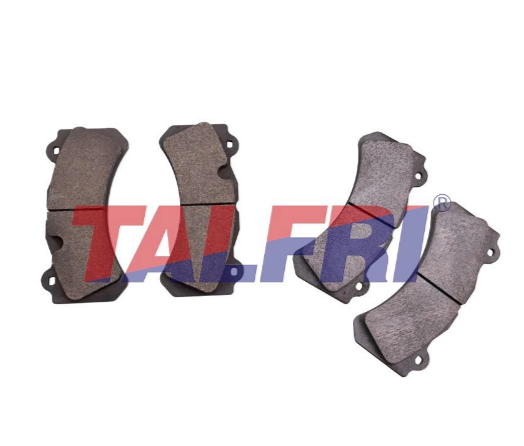
Consumable management requires exact attention to detail. You cannot simply bolt on standard aftermarket pads. Sourcing specialized carbon ceramic brake pads bmw, Porsche, or Mercedes AMG applications demands strict compound matching. Using the wrong friction material destroys the rotor matrix instantly. These specialized pads use distinct resin compounds designed specifically to interface safely with the silicon carbide surface without tearing the material apart.
You also face a constant fragility factor during routine mechanical work. Iron rotors are tough. You can drop tools on them or rest a heavy rim against them without worry. Carbon ceramic rotors are incredibly brittle on their outer edges. Imagine performing a standard tire rotation in your garage. If the heavy wheel barrel slips off the hub and strikes the rotor edge, the carbon material will chip. A single structural chip often ruins the entire component. You cannot machine, resurface, or repair a chipped CCM rotor.
In stark contrast, heavy-duty slotted steel rotors deliver robust durability. They shrug off gravel traps, track debris, and clumsy wheel changes. Their wear patterns remain highly predictable over time. You simply measure the disc thickness with a set of digital calipers. This provides a definitive, clear metric indicating exactly when replacement hardware is due.
Choosing the right system depends entirely on your driving habits. Use this practical framework to match the braking hardware to your specific automotive lifestyle.
Recommendation: Carbon Ceramic Brake Rotors.
Logic: This driver profile prioritizes daily refinement and aesthetics. If you rarely exceed standard highway temperatures, CCM rotors offer incredible lifetime durability. Your premium wheels remain immaculate because the specialized pads generate virtually zero brake dust. You also enjoy vastly improved ride quality and steering feel over broken pavement thanks to the massive unsprung weight reduction.
Recommendation: High-Performance Steel / Iron Rotors.
Logic: Track days aggressively destroy brake components through oxidation and extreme thermal cycling. Serious drivers remove their factory carbon ceramics immediately after buying the car. They shelf the OEM parts safely in a garage to preserve the vehicle's long-term original condition. They bolt on heavy-duty, two-piece iron slotted rotors. This provides totally predictable hardware wear, consistent heat sinking, and allows for aggressive track abuse without anxiety.
Recommendation: High-Carbon Cast Iron with Aggressive Pads.
Logic: You want maximum stopping power but refuse to deal with fragile components or specialized maintenance. A high-quality iron rotor paired with aggressive track-oriented pads delivers roughly 90% of the stopping force of exotic setups. You must accept increased brake dust, occasional squealing, and heavier rotational mass. However, the sheer reliability and stress-free maintenance make it a highly worthwhile mechanical trade-off.
Making the right hardware choice requires radical honesty about how you use your vehicle. The marketing brochures tell one story, but structural engineering tells another. Keep these critical action steps in mind:
Analyze your primary driving environment: Carbon ceramic setups are an unparalleled luxury for street performance. They eliminate brake dust and transform handling through severe weight reduction.
Respect thermal limitations: Iron remains the undeniable champion of heavy-duty track reliability. Its ability to act as a massive thermal heat sink prevents the destructive oxidation seen in carbon discs.
Mitigate daily ownership risks: Always consider the mechanical fragility of carbon materials during routine maintenance. Use wheel hanger pins to prevent rim barrels from chipping the brittle ceramic edges.
Take a hard look at your actual driving habits. Evaluate your projected annual track days versus your regular daily street miles. Make a realistic assessment of your hardware needs before checking the factory option box on a new build or modifying your current performance vehicle.
A: Modern Carbon Ceramic Matrix (CCM) rotors work perfectly fine when completely cold. Unlike pure Carbon-Carbon racing brakes found in Formula 1, street-legal setups generate sufficient friction at ambient temperatures. However, you will notice the initial bite and overall pedal feel improve slightly once they reach an optimal operating temperature.
A: For daily street driving, they can easily last the lifetime of the vehicle. They routinely exceed 70,000 to 100,000 miles without issue. Conversely, heavy track use causes the material to oxidize rapidly. Under extreme thermal stress on a circuit, they can degrade significantly in just a few demanding track weekends.
A: Yes, many aftermarket companies offer direct conversion kits. You must ensure the steel replacement rotors match the precise offset dimensions of the original hardware. You also need to verify internal caliper clearance and install specific brake pad compounds designed exclusively for iron rotors.
A: Yes, they frequently produce annoying low-speed squeal. This noise vibration harshness (NVH) depends heavily on the specific pad compound utilized. Failing to perform the strict factory bedding procedure also significantly increases the likelihood of loud squeaks during routine city driving.


