
Views: 141 Author: Site Editor Publish Time: 2026-07-17 Origin: Site


Imagine staring at a repair estimate exceeding $30,000. You brought your performance vehicle in for a routine service. Instead, the dealership quoted an astronomical figure for a complete brake replacement. This sudden financial shock remains a common pain point for modern sports car owners. Dealerships frequently recommend premature replacements. They often base these aggressive service intervals on outdated cast-iron wear metrics. Furthermore, original equipment manufacturer markups sit at exceptionally high levels.
You need a clear path forward. This article serves as your objective, evidence-based guide. We will show you how to verify actual brake wear accurately. You will discover the underlying reasons for these massive dealership quotes. We also evaluate practical, cost-effective alternatives. These include aftermarket pads, specialized iron conversions, and precise maintenance routines.
You can protect your wallet. You simply need the right technical knowledge. We will explore exactly how these advanced braking systems degrade. You will learn to navigate the replacement landscape confidently. This guide empowers you to make informed decisions for your high-performance vehicle.
Wear is Measured by Weight, Not Thickness: Carbon ceramic rotors oxidize and lose mass (burn out) under extreme heat; they do not thin out like traditional iron rotors.
The "Track Rat Paradox": While designed for extreme performance, frequent track days make CCB replacement financially unviable for many. Hardcore drivers often swap to iron rotors for the track.
Fresh Pads are Cheap Insurance: Replacing carbon ceramic brake pads early prevents hardened, degraded pads from permanently scoring the expensive rotors.
Accidents Kill Rotors Faster Than Driving: The most common cause of catastrophic rotor failure is physical damage (chipped edges) caused by clumsy wheel removal, not driving wear.
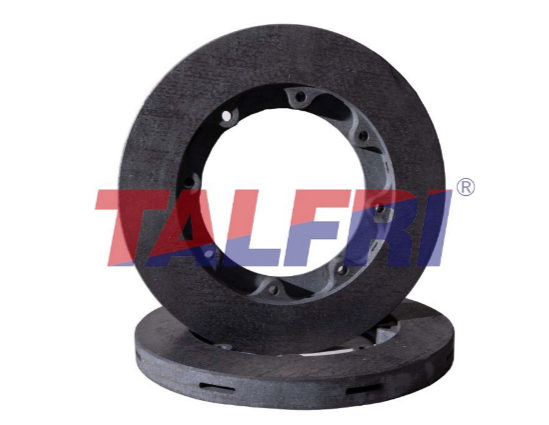
Most owners experience immense sticker shock during their first major brake service. Dealerships routinely quote between $20,000 and $50,000 for a full replacement. We must examine the supply chain economics to understand this figure. Traditional chopped-fiber carbon ceramic components are surprisingly affordable to manufacture at scale. Industry insiders note actual production costs range between $350 and $500 per unit. Yet, the final manufacturer suggested retail price often exceeds $4,000 per rotor.
This massive price gap stems directly from luxury and exclusivity markups. Automakers tie replacement parts pricing to the vehicle's initial retail value. High-end brands maintain an aura of exclusivity. They price their components accordingly. Dealerships also face a unique revenue challenge. Standard iron brakes wear out quickly. This generates reliable, recurring maintenance revenue. Carbon ceramic systems generally last much longer under normal conditions. Dealerships offset this lost recurring revenue by maximizing the profit margin on every replacement.
You must also watch out for the dreaded bundling trap. Service centers rarely quote individual parts based on specific wear. Instead, they quote full system replacements simultaneously.
The Rotor Inclusion: Service advisors often assume rotors must be replaced alongside pads.
The Caliper Hardware: Quotes frequently include expensive new caliper hardware or entirely new calipers.
The Labor Padding: Dealerships apply standard book hours for every single component.
Usually, only one component has actually reached the end of its lifecycle. Accepting a bundled quote guarantees you will overpay drastically.
Mechanics often diagnose carbon ceramic wear incorrectly. They use standard calipers to measure the disc thickness. This represents a fundamental misunderstanding of the material. A carbon ceramic base matrix does not physically thin out. Standard iron rotors lose measurable layers of metal over time. Carbon ceramics behave entirely differently. They oxidize under extreme heat. The internal carbon fibers burn out. The rotor maintains its original thickness but loses physical mass.
The industry utilizes specific, highly accurate evaluation methods to prevent premature replacement. Measuring thickness tells you nothing. You must rely on weight and diagnostic scanning.
Evaluation Method | Application / Brand | How It Works | Accuracy Level |
|---|---|---|---|
High-Precision Weigh-In | Porsche, Ferrari, Brembo | Mechanics remove and clean the rotor. They weigh it on a calibrated scale and compare it to the stamped minimum weight. | Absolute Highest |
Visual & Software Diagnostics | Mercedes-AMG | Technicians apply specific stickers over wear indicator spots. Software analyzes the dark/light ratio of carbon oxidation. | Very High |
Thickness Measurement | Standard Repair Shops | Using standard calipers to measure the outer edges of the disc. | Completely Inaccurate |
The weigh-in procedure remains the gold standard. A technician removes the wheel and unbolts the rotor. They must clean the assembly thoroughly to remove brake dust and debris. Any leftover dirt artificially inflates the weight. The mechanic then places the rotor on a high-precision scale. Every carbon ceramic disc features a minimum weight stamped onto its aluminum bell. If the current weight exceeds the stamped minimum, the rotor remains safe to use.
Mercedes-AMG uses an alternative but equally valid diagnostic method. Their rotors feature specific visual wear indicators embedded into the face. A technician covers these spots using specialized measurement stickers. They photograph the area and upload the image into diagnostic software. The program calculates the precise area of carbon oxidation. It flags the rotor for replacement only when the oxidation exceeds strict safety thresholds.
You must understand the distinct lifespan differences between street and track driving. Under normal street driving conditions, carbon ceramic rotors do not reach extreme temperatures. They generally last the lifetime of the vehicle. If you only drive on public roads, you likely do not need new rotors. Always demand a proper weigh-in before authorizing a replacement.
Carbon ceramic braking systems are engineered for extreme motorsport environments. However, a fascinating paradox exists among dedicated automotive enthusiasts. Frequent track drivers face incredible consumable expenses. We call this the Track Rat Paradox. These systems perform flawlessly under pressure. Yet, pushing them to their limits repeatedly becomes financially unviable for most owners.
We must examine the thermal reality of track use. High-performance driving involves sustained, aggressive braking zones. Rotors regularly experience temperatures exceeding 1000°F. This intense heat alters the material chemistry. Oxygen reacts chemically with the internal carbon fibers. The fibers ablate and essentially vaporize. The rotor rapidly loses its thermal capacity as it loses internal mass. It becomes less effective at dissipating heat. This accelerates the degradation process exponentially.
Vehicle weight acts as a massive accelerant in this equation. Lightweight supercars stress their brakes relatively lightly. Conversely, heavy, high-horsepower sedans place extreme thermal loads on their braking systems. A 4,000-pound sedan diving into a heavy braking zone generates massive kinetic energy. The brakes must convert all that energy into heat. This heat destroys the carbon fibers rapidly.
Drivers choose these systems for a specific handling advantage. Upgrading to high performance lightweight carbon ceramic brake rotors cuts unsprung mass by roughly fifty percent. This reduction improves suspension response dramatically. It enhances steering feel and overall vehicle agility. However, the unsprung weight trade-off becomes painfully obvious in the paddock. A driver participating in twenty track days a year will burn through carbon ceramic rotors quickly. The consumable cost heavily outweighs the handling benefits for an amateur racer.
Let us look at a simplified 50,000-mile financial reality chart. This illustrates the drastic difference between aggressive track use and standard street driving over the long term.
Driving Profile | Rotor Replacements | Pad Replacements | Estimated Consumable Spend |
|---|---|---|---|
Pure Street Driving | 0 Sets (Rotors last lifetime) | 1-2 Sets (Front & Rear) | Extremely Low |
Frequent Track Driving | 1-2 Sets (Burned out via ablation) | 4+ Sets (Aggressive wear) | Extremely High |
For street drivers, carbon ceramics eventually save money. You skip multiple iron rotor changes. You rarely buy new pads. Track drivers face the opposite reality. The extreme thermal loads guarantee frequent, expensive replacements.
You do not have to accept a massive dealership quote blindly. Savvy owners utilize several distinct cost-saving strategies. These alternatives provide comparable performance while protecting your bank account.
Most dealership service centers demand full system replacements. You can bypass this easily. Demand a professional weigh-in first. If your rotors pass the weight test, you only need new brake pads. You can source specialized third-party pads designed specifically for carbon ceramic discs. Brands like Pagid or Endless manufacture incredible friction materials. Sourcing your own pads and paying an independent mechanic for labor changes the math completely. You can reduce a $20,000 service quote to a manageable $1,000 to $1,500 per axle. You retain all the original braking performance.
The automotive aftermarket has evolved rapidly. You no longer rely solely on the dealership parts counter. An emerging market of reputable aftermarket manufacturers now exists. These companies produce direct-replacement components. You can purchase these parts and completely bypass OEM dealership markups. The manufacturing techniques mirror original factory standards closely. You maintain identical stopping power and thermal resistance. You simply avoid the luxury brand tax applied at the dealership level.
Hardcore track enthusiasts prefer a more permanent solution. They utilize aftermarket conversion kits to swap out the ceramics. They install high-performance slotted steel or cast-iron rotors instead. This strategy seems counterintuitive initially. Why remove advanced technology? The logic centers entirely on consumable economics. Track drivers need predictable fade characteristics and affordable replacements. Iron rotors provide exactly that. You can abuse iron rotors on the track all weekend. Replacing them costs a fraction of the ceramic equivalent.
This conversion strategy offers a secondary financial benefit. You remove your factory Carbon Ceramic Brake Rotors while they remain in pristine condition. You pack them safely in a box. You store them in your garage. Years later, you decide to sell the vehicle. You reinstall the pristine factory brakes. You retain the vehicle's maximum resale value. Buyers want pure, original equipment. You give them exactly that, having saved thousands on track consumables.
Proactive maintenance extends the life of your braking system dramatically. These components require specific handling procedures. Small mistakes lead to catastrophic financial consequences. You must manage maintenance carefully to protect your investment.
Wheel removal poses the single greatest threat to your rotors. Mechanics must use wheel hangers or guide pins. These simple metal rods thread directly into the wheel hub. Mechanics slide the heavy alloy wheel over these pins during removal. This prevents the rim from dropping suddenly. The outer edges of a carbon ceramic disc are incredibly fragile. A dropped wheel easily chips or shatters the edge. Physical damage ruins the component instantly. The most common cause of catastrophic failure is physical damage caused by clumsy wheel removal. It is almost never actual driving wear.
You must maintain extreme diligence regarding your brake fluid and friction materials. Fresh pads truly serve as cheap insurance. You should never run your pads down to the backing plate. Worn pads lose their ability to manage heat effectively. They become heat-cycled, glazed, and exceptionally hard. These hardened, degraded pads will permanently score the expensive rotor surface. Replacing your pads early costs very little. Replacing a scored rotor costs a fortune. Check your pad thickness regularly and replace them proactively.
Finally, you need to manage your noise expectations. Low-speed brake squeal bothers many owners. They assume something has broken. They rush to the mechanic. In reality, brake squeal remains a common characteristic of these advanced systems. The hard base material and aggressive pad compounds require high temperatures to operate silently. In cold, low-speed city driving, they generate harmonic resonance. This resonance creates a loud squeal.
You can manage this noise without replacing parts. Advise your mechanic to check for accumulated brake dust. Clearing trapped debris often reduces squealing. You should also learn how to properly bed-in your brakes. A proper bedding procedure transfers a thin, even layer of pad material onto the disc surface. This layer reduces friction variations and eliminates most harmonic resonance. Understanding this prevents unnecessary and expensive trips to the service center.
Navigating carbon ceramic brake replacements requires skepticism and education. Always verify rotor wear independently. Demand a high-precision weigh-in or a proper diagnostic scan. Never accept a full replacement quote based purely on visual inspections or standard thickness measurements. Dealerships prioritize their profit margins. You must prioritize accurate data.
Align your replacement strategy directly with your actual driving habits. Choose cost-effective pad-only replacements if you mainly commute on public roads. Your original rotors will likely last forever under these conditions. Consider a high-performance iron conversion if you spend your weekends at the racetrack. This saves your expensive factory components from thermal destruction.
Proper maintenance habits dictate the lifespan of your braking system. Insist on the use of wheel guide pins during every tire rotation. Replace your friction materials early and often. Reassure yourself that astronomical dealership quotes are rarely the final word. You can easily defer or completely avoid massive repair bills by taking a proactive, informed approach.
A: Generally, no. Traditional chopped-fiber carbon ceramic rotors cannot be machined on a standard brake lathe. They lack the metallic structure of iron discs. If the surface becomes deeply scored or structurally damaged, you usually must replace them entirely. A few specialized refurbishing services exist globally, but they charge an extremely high premium for this complex restoration process.
A: No. Braking distance is ultimately dictated by your tire grip. Carbon ceramic systems excel at preventing brake fade over repeated, heavy stops. They manage extreme heat efficiently, ensuring your pedal feels firm lap after lap. They do not necessarily decrease a single 60-0 mph stopping distance compared to standard cast-iron brakes.
A: The hard composite materials and aggressive friction compounds require extremely high temperatures to operate silently. In cold, low-speed city driving, the pads vibrate against the disc. This creates harmonic resonance, which you hear as a loud squeal. It is a normal characteristic of the advanced materials, not a sign of mechanical failure.


