
Views: 163 Author: Site Editor Publish Time: 2026-07-13 Origin: Site


High-performance vehicles demand elite braking hardware. Carbon Ceramic Brake Rotors represent a massive performance investment, often ranging between $15,000 and $25,000 per set. They easily resist severe heat fade. They also handle aggressive mechanical wear on the track effortlessly. Despite their incredible durability during high-speed driving, they remain remarkably vulnerable during routine maintenance operations.
Many system failures stem directly from simple workshop errors. Accidental physical chips during wheel removal destroy rotors instantly. Chemical contamination from silicone-based tire shines ruins the friction surface long before the hardware wears out naturally. This dynamic creates a significant financial risk for owners.
You need a rigorous protocol to protect these premium components. This guide provides an evidence-backed, workshop-level framework for maintaining and evaluating your braking system. We will debunk detailing myths completely. We will establish safe handling procedures. Finally, we will explain exactly how to maximize rotor longevity safely.
Zero-Chemical Rule: Never use acidic wheel cleaners, waxes, or silicone sealants; stick to pure soap and water or 99% isopropyl alcohol.
Physical Protection is Mandatory: Always use wheel hanger alignment pins when removing wheels to prevent shattering the rotor edge.
Cross-Drilled Hole Safety: Clear brake dust with a soft, non-abrasive straw brush rather than high-pressure air to prevent hazardous dust inhalation and abrasive damage.
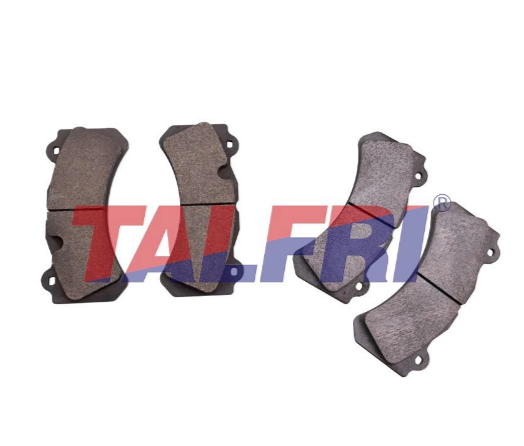
Component Synergy: Using incorrectly specced brake pads will rapidly degrade the rotor; pairing CCBs with custom high quality carbon ceramic brake pads is non-negotiable.
Refurbishment Potential: High-end rotors with a 3D continuous fiber carbon ceramic base can often be refurbished up to three times before requiring total replacement.
The friction layer of a carbon ceramic rotor absorbs solvents easily. This creates a severe chemical vulnerability. Harsh detailing chemicals bond irreversibly to the delicate ceramic matrix. Once this chemical bonding occurs, braking efficiency drops dangerously. You cannot reverse this contamination.
Aggressive "spray-and-rinse" wheel cleaners flood social media feeds today. Detailers market them heavily online. They look highly effective on video. However, acidic or silicone-heavy agents act like poison to these braking systems. Tire shine products contain heavy silicone. If you spray tire shine near the wheel assembly, it coats the rotor. It then acts as a permanent, high-heat lubricant. This ruins your stopping power entirely.
You must adopt a minimalist approach. Follow these precise steps:
Use pure soap and water: Select a high-quality automotive wash soap. Ensure it contains absolutely no wax additives. Ensure it contains no synthetic sealants.
Agitate gently: Wash the surface using a soft microfiber mitt. Never use stiff nylon brushes.
Rinse thoroughly: Flood the assembly using clean water to remove all loose dirt.
Address mechanic fingerprints: For localized spot cleaning, use strictly 99% isopropyl alcohol. Apply it to a microfiber towel first. Wipe the affected area gently.
Moisture trapped inside the cooling vanes requires careful removal. Some technicians use compressed air to dry the assembly. If you use compressed air, operators must wear a 3M PAPR (Powered Air Purifying Respirator) mask. High-pressure air ejects hazardous, potentially carcinogenic brake dust into the atmosphere. You must prioritize respiratory safety.
Best Practices: Always clean wheels when they are completely cool to the touch.
Common Mistakes: Spraying wheel acid directly onto a hot rotor, causing immediate thermal shock and chemical etching.
Physical impacts destroy more rotors than aggressive track days. You must implement strict mechanical servicing rules. Standard workshop habits often prove fatal to premium braking hardware.
Dropping a heavy alloy wheel onto the rotor edge causes catastrophic damage. This represents the most common cause of premature system death. A chipped edge immediately ruins the structural integrity. You must always use dedicated wheel hanger pins. These alignment guides thread into the hub. They support the heavy rim safely. They guide it smoothly off the vehicle without touching the fragile carbon edge.
Brake dust accumulates inside the cross-drilled cooling holes over time. You must clear this blockage safely.
Avoid high-pressure blasts: Never blast clogged holes using high-pressure air guns in unventilated spaces. This creates a massive cloud of toxic dust.
Implement real-world solutions: Use a perfectly sized, soft-bristled reusable straw brush. You can often find these in dollar stores. Gently push out accumulated dust. This method clears the passage completely without scratching the rotor face.
The center hub, known as the hat, features a protective anodized coating. You must clean it strictly along the structural grain. Avoid circular scrubbing motions. Furthermore, you will often notice minor orange rust spotting on the internal stainless-steel hardware bobbins. Acknowledge this freely. It is strictly cosmetic. It remains completely normal and does not affect structural performance.
You cannot evaluate high-performance composites using traditional mechanic methods. Visual inspections alone fail to reveal the true health of the assembly.
Traditional iron components degrade visibly. They thin out noticeably over time. They form a sharp outer lip. Conversely, carbon ceramic materials degrade entirely differently. They primarily lose mass. Extreme operating temperatures cause them to oxidize internally. The core structure hollows out microscopically while the outward appearance remains unchanged.
Wear Characteristic | Traditional Iron Rotors | Carbon Ceramic Rotors |
|---|---|---|
Primary Degradation | Visible surface thinning and grooving. | Internal mass loss via thermal oxidation. |
Edge Condition | Forms a pronounced, sharp metal lip. | Edge remains flat; structural density changes. |
Measurement Method | Standard digital calipers measuring thickness. | High-precision weight scales and specialized micrometers. |
Specialized tools provide the only accurate health assessment.
Weighing protocols: Technicians must weigh rotors using calibrated, high-precision scales. You compare this current weight against the manufacturer's specific stamped minimum weight located on the aluminum hat.
Micrometer checks: Measure physical thickness using a specialized composite micrometer. Never use standard workshop calipers. Measure only at the designated factory wear indicator marks.
Every service requires strict adherence to a decision matrix. If the rotor drops below either the minimum weight threshold or the minimum thickness threshold, its status changes instantly. It moves immediately from a "maintain" category to a "replace or refurbish" category. You cannot safely drive on an underweight assembly.
Your friction materials operate as a delicate, interconnected ecosystem. Treating pads and rotors as isolated parts guarantees premature failure.
Cheap or improperly compounded aftermarket pads chew violently through the friction surface. The entire braking system relies on material transfer. It must transfer a microscopic, even layer of pad material directly onto the rotor face. This transfer layer generates the actual stopping friction. Incorrect compounds destroy this delicate balance immediately.
You must evaluate pad options based strictly on primary use. Street driving requires different thermal characteristics than track driving. To maximize lifespan, spec your vehicles exclusively using custom high quality carbon ceramic brake pads designed explicitly for your specific thermal range. Track pads run too cold on the street, causing abrasive wear. Street pads overheat on the track, causing severe smearing.
Installing new hardware requires immediate thermal conditioning.
Install the fresh pads and carefully clean all surfaces using isopropyl alcohol.
Drive the vehicle to a safe, open road environment.
Perform a series of moderate stops from 40 mph down to 10 mph. Never come to a complete stop.
Progress to aggressive stops from 60 mph down to 15 mph. Build heat progressively.
Drive without touching the brakes for several miles. Allow the assembly to cool ambiently.
Failing to bed the brakes correctly results in uneven pad material transfer. This failure leads directly to steering wheel judder. It also creates localized hot spots, which accelerate core oxidation.
Understanding realistic longevity helps owners plan their maintenance schedules accurately. Not all composite materials offer the same durability.
Under standard street use, a properly maintained system delivers exceptional longevity. It realistically lasts between 70,000 to 120,000 miles. Frequent track usage significantly compresses this timeline. Extreme heat cycling accelerates the internal oxidation process rapidly. High-speed circuit drivers must monitor weight degradation aggressively.
Manufacturing techniques dictate overall durability. Older or cheaper designs use a chopped-fiber technique. These suffer from unpredictable micro-cracking. Conversely, premium rotors built upon a 3D-bonded continuous fiber carbon ceramic base perform vastly better. The continuous fiber network distributes structural stress evenly across the entire disc. This superior architecture resists thermal fracturing exceptionally well.
Reaching the minimum weight threshold does not always mandate disposal. Instead of purchasing an immediate $20,000 replacement set, you have another viable option. Many continuous-fiber rotors qualify for a highly specialized surface-remapping process.
Premium continuous-fiber rotors can often undergo refurbishment up to three separate times. Specialists strip away the contaminated friction layer. They rebuild the surface matrix in a vacuum oven. Finally, they machine it back to factory specifications. This rigorous process extends the total service life dramatically.
Carbon ceramic braking hardware demands a fundamental shift in your maintenance philosophy. You must prioritize extreme gentleness during chemical cleaning procedures. You must demand absolute physical precision during hardware handling and wheel removal.
First, audit your current garage supplies immediately. Discard any acidic wheel cleaners or silicone tire shines. Second, purchase dedicated wheel hanger pins before you attempt your next home service. Finally, if your vehicle approaches the 70,000-mile mark, consult a certified automotive specialist. Have them perform precise weight and thickness measurements to guarantee your system remains safe and effective.
A: The carbon ceramic friction surface itself cannot rust. It contains no ferrous iron material. However, minor cosmetic orange rust may appear on the stainless-steel bobbins or the inner aluminum hat mounting hardware. This surface oxidation remains strictly visual and does not impact braking performance.
A: Yes, a pressure washer remains perfectly safe for clearing dust from the surface and cooling holes. Ensure you use pure water and mild soap. Never hold the high-pressure nozzle mere millimeters from the surface. Maintain a safe distance to avoid physically driving grit into the ceramic matrix.
A: Visual inspections are highly recommended every 3,000 to 5,000 miles. Track drivers should inspect them after every event. Letting pads wear down completely to the metal backing plate will instantly score and destroy the carbon ceramic rotor.


