
Views: 126 Author: Site Editor Publish Time: 2026-04-30 Origin: Site


Upgrading or replacing friction materials isn't about finding the absolute "best" pad on the market. Instead, it is about matching the compound to specific operational demands, thermal limits, and vehicle weights. Drivers often overlook these critical variables. Choosing the wrong brake pad can result in accelerated rotor wear and compromised cold-weather braking. Even worse, you might experience dangerous heat fade during heavy towing or steep descents. Brakes act as your ultimate safety net. Precision in selection is simply non-negotiable.
This guide breaks down the chemical compositions, performance realities, and implementation risks of ceramic and semi-metallic Disc Brake Pads. We will explore how different materials manage heat, handle varied climates, and impact overall noise levels. Armed with these specific technical insights, you can make a data-backed procurement or upgrade decision tailored exactly to your daily application.
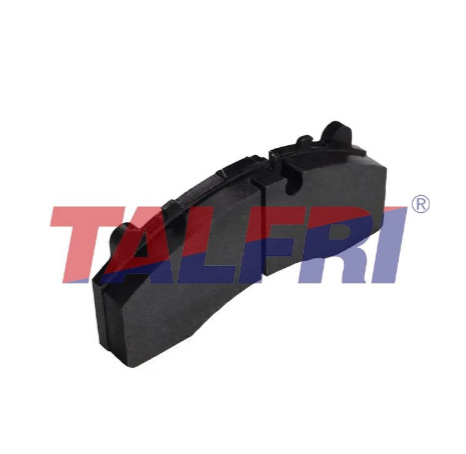
Thermal Management: Semi-metallic pads pull heat away from the braking system; ceramic pads act as insulators, keeping heat in the rotors.
Climate Dependency: Semi-metallic compounds offer superior "cold bite" in sub-zero environments, whereas ceramics require a minimal operating temperature to perform optimally.
Aesthetics & NVH (Noise, Vibration, Harshness): Ceramic pads produce lighter, non-ferrous dust and push resonance frequencies beyond human hearing, making them ideal for luxury and daily commuter vehicles.
Compliance: Evolving EPA regulations are forcing manufacturers to reduce copper in ceramic pads, shifting how modern friction materials are formulated.
Engineers construct ceramic friction materials from dense ceramic matrix compounds. They embed these dense matrices with fine copper or brass fibers. These metal fibers aid in friction generation and provide minor heat transfer capabilities. Ceramic pads dominate the modern luxury car market for good reasons. They offer a highly appealing value proposition for everyday drivers.
Their primary value lies in a long operational lifespan. They deliver exceptionally low NVH (Noise, Vibration, and Harshness) levels. Drivers enjoy highly stable performance across moderate temperature windows. However, these pads behave like thermal insulators. They do not absorb heat easily. Instead, they force generated heat back into the cast-iron rotor and surrounding caliper components.
Semi-metallic pads utilize a fundamentally different chemical approach. They comprise 30% to 70% metal components. Manufacturers blend steel wire, iron powder, and copper wool. They bind these heavy metals together using specialized graphite lubricants and durable synthetic fillers. This aggressive composition creates a robust friction profile.
Their value proposition centers on raw performance. They boast a maximum thermal threshold. Because metal conducts heat, these pads offer rapid heat dissipation away from the rotor. They provide an aggressive initial bite across vast temperature extremes. You will feel immediate stopping power, whether you face freezing winter mornings or blistering track days.
We must briefly contrast these two premium options against standard organic pads. Organic pads form the baseline of the industry. They utilize a standard resin base mixed with rubber, glass, or Kevlar fibers. Most budget-friendly vehicles roll off the assembly line using this compound.
Organic formulations are inexpensive and relatively quiet. They feel soft and manageable during light city driving. However, they possess severe limitations. They remain highly prone to surface glazing under heavy loads. High temperatures melt the resin. This melting process drastically reduces stopping power. Organic pads also suffer from rapid wear when subjected to aggressive braking scenarios.
To make an informed decision, you must evaluate friction materials across multiple dimensions. The chart below summarizes the physical and operational differences between our two primary contenders.
Evaluation Dimension | Ceramic Brake Pads | Semi-Metallic Brake Pads |
|---|---|---|
1. Stopping Power & Bite | Linear pedal feel; weaker cold bite. | Aggressive initial bite; excellent extreme temp performance. |
2. Heat Dissipation | Acts as an insulator; holds heat in the rotor. | Acts as a heat sink; conducts heat away rapidly. |
3. Component Wear | Sacrifices the pad; gentle on rotors. | Highly abrasive; accelerates rotor wear significantly. |
4. NVH (Noise) | Virtually silent; vibrates above human hearing. | Prone to squealing; higher audible resonance. |
5. Dust Generation | Pale, fine, non-magnetic dust. | Heavy, dark, corrosive ferrous dust. |
Let us explore these five technical dimensions in greater detail.
Stopping Power & "Bite" (Temperature Dependent): Friction coefficients fluctuate based on temperature. Semi-metallic pads deliver higher friction coefficients in both deep cold and extreme heat. You get instant mechanical grip. Ceramics require brief warming. They offer a more linear, predictable pedal feel. However, they distinctly lack that aggressive initial bite.
Heat Dissipation & Brake Fade: Basic physics dictates thermal behavior here. Metals conduct heat; ceramics insulate. Semi-metallic pads act as effective heat sinks. They pull intense thermal energy away from the friction surface. This protects your vital brake fluid from boiling during heavy track or towing use. Boiling fluid causes catastrophic brake fade. Ceramic pads force heat into the rotor, increasing the risk of fluid boil under extreme stress.
Component Wear (Pad vs. Rotor): Friction always destroys something. You must choose which component wears out first. Ceramics sacrifice the pad material over time. This intentional wear protects the expensive cast-iron rotor. Semi-metallic pads flip this equation. They are highly abrasive. They extend pad life but significantly accelerate rotor thinning. Mechanics often call this "eating the rotor."
NVH (Noise & Vibration): Brake squeal originates from high-frequency vibrations between the pad and rotor. Ceramics vibrate at extremely high frequencies. These frequencies exist outside the human auditory range. This acoustic reality renders them virtually silent to our ears. Metal-on-metal contact naturally generates lower, audible frequencies. Semi-metallic pads simply make more noise.
Dust Generation & Wheel Aesthetics: Friction generates particulate matter. Semi-metallic pads produce heavy, dark dust. This dust contains high amounts of iron. It is highly ferrous. If left uncleaned, it can permanently rust or pit expensive alloy wheels. Ceramics produce a pale, fine dust. It is completely non-magnetic. It rarely adheres to wheels and goes largely unnoticed between car washes.
If you drive a luxury sedan or a daily commuter, ceramic pads provide the ultimate advantage. You should focus on longevity, clean wheels, and total silence. City driving involves constant stop-and-go traffic. You rarely reach extreme thermal limits in a grocery store parking lot or highway traffic jam. Ceramic compounds handle these moderate temperatures perfectly. Your wheels stay brilliant. Your braking remains smooth and unobtrusive. For 80% of consumer vehicles, ceramic represents the optimal upgrade.
Work trucks and large SUVs operate under different physical laws. You must frame semi-metallic pads as the mandatory choice for these vehicles. Heavy vehicles manage massive unsprung weight. Towing trailers adds immense kinetic energy. You must convert this kinetic energy into heat to stop the vehicle. Ceramics are prone to dangerous brake fade in these high-load scenarios. They cannot shed the massive heat generated by a loaded F-250 descending a steep grade. Semi-metallic pads handle this thermal load flawlessly. They ensure you stop safely when hauling heavy cargo.
We must address the friction reality for regions enduring harsh winters. Imagine starting your car in Calgary at -30°C. Many drivers assume ceramic pads represent a universal upgrade. This is a dangerous myth. Ceramics require a minimal operating temperature. At sub-zero temperatures, a cold ceramic pad feels slippery. Semi-metallic pads excel here. They offer superior, reliable cold-bite long before the brakes warm up. They dig into the icy rotor instantly. If you live in a deep-freeze climate, semi-metallic compounds provide superior early-morning safety.
Commercial operators face unique challenges. Standard off-the-shelf pads rarely meet specialized industrial demands. Performance builders and fleet managers often need specific friction curves. They can customize brake lining pads to achieve precise friction coefficients. Tailoring the binder resins and metal ratios allows engineers to solve specific fleet problems. A delivery van requires different thermal management than a specialized track-day car. Customizing the friction material ensures maximum efficiency and safety for heavy machinery and commercial vehicles.
You cannot simply swap pad materials without considering system design. Automotive engineers tune brake calipers and master cylinders for specific friction coefficients. Upgrading a vehicle originally tuned for aggressive semi-metallic pads to ceramics introduces risks. It can result in a distinctly "spongy" pedal feel. You might notice reduced overall braking force. The hydraulic system expects a specific mechanical bite. Altering the compound changes this carefully calibrated relationship. Always research your specific vehicle platform before drastically changing friction chemistry.
We must explain the concept of "glazing." Glazing happens when a driver exceeds the specific thermal limits of a brake pad. The extreme heat causes the chemical binders to melt. As they cool, these materials crystallize on the pad surface. They form a hard, glassy layer. This smooth surface permanently loses its stopping power. It can no longer generate adequate friction against the rotor. Organic pads glaze easily. Ceramics resist glazing well under normal conditions. However, using ceramics for heavy towing practically guarantees severe glazing.
Modern friction engineering faces strict regulatory hurdles. The Environmental Protection Agency (EPA) identified copper dust from brake pads as a severe environmental hazard. Rainwater washes this toxic dust into storm drains. It eventually reaches rivers and oceans, severely harming aquatic life. The EPA issued a mandate to reduce copper content in brake pads to under 0.5% by 2025.
This regulation introduces massive engineering challenges for new ceramic formulations. Copper historically provided the essential heat transfer capabilities in ceramic pads. Removing it forces manufacturers to invent new synthetic alternatives. Consequently, legacy knowledge about specific ceramic brands might become outdated. You must verify that newly formulated, compliant pads still meet your performance expectations.
Avoid the common trap of viewing ceramic as universally "better." Many consumers mistakenly equate higher price tags with absolute superiority. Ceramic is an optimization for comfort, silence, and cleanliness. Conversely, semi-metallic is an optimization for thermal endurance, heavy workloads, and absolute stopping power. You must match the chemistry to your reality. Ignoring your vehicle's weight or your local climate invites poor performance and accelerated component wear.
Assess your true driving habits before upgrading. Be honest about towing weights and track usage.
Prioritize thermal capacity over clean wheels if you drive a heavy truck or SUV.
Consult your vehicle's OEM service manual to understand the factory-intended friction profile.
Speak to a certified parts distributor before altering your vehicle's braking chemistry.
Monitor your newly installed pads for unusual pedal feel during the initial break-in period.
A: Yes, they are highly worthwhile for daily drivers. If you prioritize clean alloy wheels and zero brake noise, ceramics deliver excellent value. However, they are not worth the cost for heavy-duty towing applications. In high-load scenarios, they may actually perform worse and suffer from heat fade.
A: You must verify compatibility carefully. Slotted and drilled rotors feature highly aggressive surface designs. They act like cheese graters. These sharp edges can chew through standard ceramic pads very quickly. Semi-metallic compounds are often preferred for aggressive, modified rotor designs due to their higher structural integrity.
A: This squeal relates to inherent acoustic properties. You are hearing direct metal-on-metal friction. The steel and iron fibers scrape against the cast-iron rotor. The embedded graphite lubricants require heat to soften and function properly. Once the brakes reach their intended operating temperature, the squealing usually disappears entirely.
A: Hybrid brake pads represent an emerging aftermarket category. Manufacturers attempt to blend the best traits of both major compounds. They combine the silent operation and low dust of ceramics with the low-level metallic heat dissipation of standard semi-metallic pads. They aim for a versatile middle-ground solution.


