
Views: 141 Author: Site Editor Publish Time: 2026-04-25 Origin: Site


Asking how long brake pads last is like asking how long a piece of string is. Mileage alone proves to be a highly flawed metric for evaluating true component wear. Whenever you decelerate, your front braking systems bear the massive brunt of stopping power due to dramatic forward weight transfer. Relying entirely on a dashboard odometer rather than a hands-on physical inspection often leads you down one of two bad paths. You either face premature and unnecessary replacement costs, or you risk dangerous mechanical failure on the road. We need a smarter evaluation method.
This article delivers a transparent, physics-based breakdown of front brake pad lifespans across both automotive and cycling applications. You will learn exactly how material degradation factors accelerate wear in real-world conditions. Finally, we will outline precise diagnostic thresholds to help you authorize a replacement exactly when it matters, ensuring safe and reliable operation.
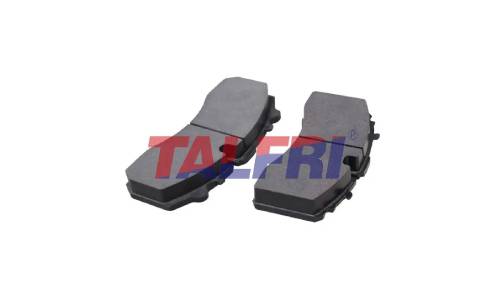
The 70% Rule: Front disc brake pads handle roughly 70% of a vehicle’s braking force, meaning they typically require replacement twice as often as rear pads.
Lifespan Variance: Automotive front pads last between 20,000 and 70,000 miles, while bicycle pads can burn out in 50km of extreme mud or last over 5,000 miles on paved flats.
Visual Thresholds: Replacement is mechanically necessary when pad thickness drops below 3mm (4/32 inch) for cars, or 0.5mm for bicycles.
Sound Isn't Always Wear: Squealing often indicates fluid/oil contamination rather than low thickness, a critical distinction before authorizing a replacement.
Braking is ultimately an exercise in kinetic energy conversion. To understand why your front Disc Brake Pads wear out so rapidly, we must examine the physics of deceleration. A vehicle in motion possesses immense forward momentum. When you apply pressure to the pedal or lever, you demand the system convert that momentum into heat through mechanical friction.
When you initiate braking, the vehicle's center of gravity immediately shifts forward. This physical reaction heavily loads the front axle. Simultaneously, it relieves downward pressure on the rear wheels. Because of this dynamic shift, the rear tires lose grip potential. The rear braking capacity drops significantly, sometimes contributing 20 percent or less of the total stopping power. The front system absorbs the remaining extreme friction stress.
We can break this mechanical reality down into a simple functional sequence:
Kinetic energy generates massive momentum as the vehicle moves forward.
The brake pedal engages the hydraulic system to squeeze the fluid inside the lines.
The calipers respond by clamping down violently.
Weight pitches heavily toward the nose of the vehicle.
Front friction materials press onto the harder metal rotors to generate stopping heat.
Because the front axle manages such a high thermal load, defining a universal lifespan remains inherently difficult. For passenger vehicles, front pads generally last between 20,000 and 70,000 miles. Industry mechanics usually place the mean average right around 40,000 miles. However, this average assumes mixed driving conditions. A vehicle driven exclusively on open highways will see components last significantly longer than one trapped in daily urban gridlock.
In the cycling world, we must completely erase the mileage myth. Bicycle lifespans range wildly based on weather and terrain. You might easily burn through a brand new set in just 50 kilometers if you ride through off-road "death mud." This abrasive slurry acts like liquid sandpaper against the rotors. Conversely, those exact same components can easily survive past 9,000 kilometers in clean, flat urban environments where braking forces remain light and infrequent.
Many drivers wonder why the pads die long before the actual metal discs. Engineers design this specific material imbalance intentionally. Brake pads serve as softer, composite sacrificial layers. They are meant to degrade safely over time. This targeted degradation protects the much harder, far more expensive metal rotor underneath. If both components possessed equal hardness, they would destroy each other rapidly.
The friction material compound directly dictates how long your components survive. It also determines operating noise and overall stopping power. Manufacturers formulate different composite mixtures to handle highly specific thermal loads and environmental conditions.
A standard resin base formulation offers the quietest operation available. It provides a very smooth initial bite, making it comfortable for daily driving. It also remains highly cost-effective for casual commuters. However, it suffers from the absolute fastest wear rate among common materials. It is also highly susceptible to heat glazing under heavy loads. Furthermore, environmental contamination from road oil or heavy rain quickly degrades its performance.
These compounds mix metal shavings into the base material. They provide exceptional heat dissipation and excellent brake fade resistance. They stand up beautifully against abrasive environments, making them ideal for performance driving or heavy hauling. The trade-off comes directly through noise and mess. They are highly prone to squeaking, generate heavy black brake dust, and aggressively accelerate wear on the actual brake disc itself.
Ceramic represents the premium consumer choice for the modern automotive market. Ceramic options produce very low dust and operate exceptionally quietly. They boast the longest overall lifespan. Unfortunately, they carry a much higher upfront cost. They also deliver slightly lower initial bite in freezing weather until they reach their optimal operating temperature.
Extreme load requirements fundamentally change pad geometry and material choices. In heavy machinery or specialized drivetrains, engineers prioritize friction consistency under high torque over simple mileage. For instance, manufacturers routinely deploy customised conical clutch brake pads to manage the intense thermal demands of massive industrial equipment. These bespoke solutions use complex sintered metals designed to survive environments that would instantly vaporize standard automotive composites.
Here is a simplified comparison chart highlighting these primary material differences:
Material Type | Primary Advantage | Primary Drawback | Best Use Case |
|---|---|---|---|
Resin / Organic | Quiet operation, strong initial bite | Fastest wear, vulnerable to fluid oil | Light commuting, flat terrain |
Semi-Metallic | High heat tolerance, fade resistant | Heavy dust generation, noisy | Performance driving, towing |
Ceramic | Longest life, extremely low dust | High acquisition cost, poor cold bite | Premium passenger vehicles |
Drivers universally assume friction alone destroys their stopping components. In reality, external variables often compromise the material long before it physically rubs away down to the backing plate.
A sudden loss of stopping power or intense, ear-piercing squealing does not always mean your brakes are worn down. Surface contamination often causes these exact symptoms. Road oils, mineral oil spills from hydraulic lines, or deep, gritty mud can completely saturate the friction surface. When this happens, the material loses its ability to grip the rotor effectively.
Pro Tip: Mildly contaminated components can sometimes survive. You can often salvage them via careful sanding and a proper re-bedding procedure to burn off the top layer. However, heavily saturated resin composites must be discarded immediately. Oil penetrates the porous material permanently, rendering it utterly useless.
Your physical behavior behind the wheel or handlebars dictates the component lifespan more than any other factor. Key behavioral variables include:
Aggressive high-speed braking: Jamming the pedal forcefully at highway speeds generates massive heat spikes. Kinetic energy quadruples as speed doubles. Coasting early and using natural engine braking effortlessly extends component life.
The "two-foot driver" trap: Drivers who simultaneously ride the brake and gas pedals keep the friction material in constant contact. This generates unending friction heat and causes rapid, catastrophic deterioration.
Constant stop-and-go city traffic forces the hydraulic system to cycle thousands of times per week. This brutal environment wears materials exponentially faster than long-distance highway cruising. On the open highway, calipers remain entirely disengaged for hours at a time.
Furthermore, heavy payloads severely tax the front axle. Towing a large boat trailer or riding a bicycle loaded with heavy touring panniers massively increases the total kinetic energy. The front brakes must convert all that extra rolling mass into heat. This excess heat rapidly accelerates the physical wear rate of the composite material.
You cannot effectively manage what you do not accurately measure. Relying on arbitrary mileage intervals invites unexpected failure. You must evaluate the physical hardware directly using proven diagnostic thresholds.
Do not rely entirely on dashboard electronic wear sensors. Wiring harnesses can break, and electronic sensors frequently fail in harsh weather. A direct visual inspection provides absolute certainty. Use a flashlight to look through the wheel spokes. For passenger cars, the strict replacement limit sits at 4/32 of an inch. This equals roughly 3.18 millimeters of remaining material. In the cycling realm, major manufacturers dictate a much thinner 0.5-millimeter limit before mandatory replacement. Once you hit these physical limits, the ability to dissipate heat drops dangerously low.
Modern automotive components feature a highly specific "metal tab" design. Engineers embed a small metal indicator directly into the backing plate. When the material wears dangerously thin, this tab intentionally scrapes against the spinning rotor to annoy the driver into taking action.
You must carefully differentiate between two distinct mechanical sounds. The high-pitched, rhythmic chirp of the indicator tab serves as a helpful early warning. Conversely, a deep, aggressive grinding sound indicates total metal-on-metal failure. Grinding means the friction material is entirely gone. You are actively destroying the metal disc itself every time you push the pedal.
Pay close attention to pedal feel during your daily commute. If the brake pedal or bicycle lever suddenly feels "mushy" or spongy under pressure, you are likely facing a hydraulic problem. Air bubbles trapped inside the fluid lines or degraded fluid usually cause this specific symptom. A spongy pedal requires a full system bleed. It is almost never an indicator of worn friction material.
Deciding to replace worn components introduces several economic and mechanical variables. You must navigate parts selection and specific installation procedures carefully to ensure maximum safety and longevity.
Original Equipment Manufacturer (OEM) parts guarantee exact friction coefficients. Engineers match them perfectly to the vehicle's factory rotors. Using OEM parts generally results in quieter operation and highly predictable disc wear over time. Generic aftermarket parts often compete aggressively on price. However, they may utilize harsher, cheaper compounds. These unverified compounds can compromise rotor longevity, creating deeper grooves and generating excess heat.
Mechanics strongly advise against the dangerous "pad slap." This industry phrase refers to installing brand new pads onto heavily worn or grooved brake discs. It represents a very common DIY maintenance mistake.
The old disc develops a distinct, uneven surface profile over thousands of miles. If you install perfectly flat new material against an uneven rotor, you drastically reduce the physical contact patch. This uneven mating damages the new material immediately. It also significantly lowers your overall braking efficiency.
Decision logic: You must always evaluate the current rotor before buying parts. If the disc possesses enough thickness, a machine shop can turn or resurface it flat. Alternatively, if labor costs for machining run too high in your area, simply installing a fresh replacement disc often proves more economical and much safer in the long run.
Maintaining your front braking system requires active vigilance and physical verification over pure guesswork. Prioritize actual thickness measurements and evaluate your specific driving environment rather than trusting arbitrary mileage estimates.
Always inspect the mechanical thickness manually using a proper measuring tool to confirm safe wear levels.
Listen carefully for early warning chirps before they degrade into expensive, destructive grinding noises.
Never pair fresh friction materials with deeply grooved or heat-warped rotors.
Understand your material compound type to anticipate how it will behave in wet or high-heat conditions.
Take proactive action today. Visually inspect your front wheel assemblies yourself using a flashlight. If you cannot see clearly, schedule a quick caliper depth measurement with a certified technician before investing in replacement parts.
A: No. Using old brake pads on a new disc will aggressively score the fresh metal. The uneven surface of the old pad ruins the necessary bedding-in process and severely degrades your stopping power. You must always pair a brand new disc with new pads to ensure a safe, flat contact patch.
A: It is rarely necessary. Because the front axle takes up to 70% of the active braking load, front pads usually cycle out at a two-to-one ratio compared to the rear. You should evaluate and replace them per axle strictly as needed based on manual thickness measurements.
A: Generally, no. Dealerships and manufacturers classify brake pads as standard "wear-and-tear" consumable items. Factory warranties typically only apply if premature failure is directly traced to an underlying factory defect in the mechanical caliper or the hydraulic fluid system.
A: Replacing the pads and discs on a single axle typically takes a qualified mechanic between one and two hours. This timeframe assumes standard equipment without complex electronic parking brake calibrations or severely rusted components requiring extra labor.


