
Views: 126 Author: Site Editor Publish Time: 2026-02-26 Origin: Site


Installing new friction material gives any vehicle owner a sense of renewed safety and control. However, physically bolting the components onto the caliper is only 90% of the job. The remaining 10% involves a critical process known as bedding-in, which dictates future stopping power, noise levels, and component longevity. If you skip this procedure, you risk experiencing "green fade," permanent glazing, or persistent squealing.
Many drivers and riders mistakenly believe that new parts work perfectly right out of the box. The reality is that chemistry and heat cycles play a massive role in performance. This guide covers immediate safety checks and the science of friction material transfer. We will also explore specific nuances for different compounds, distinguishing between resin base options and metallic alternatives.
Safety First: Never drive aggressively immediately after disc brake pads replacement; the pedal may feel soft initially.
The Goal: You are aiming for "Material Transfer"—depositing an even layer of pad material onto the rotor face.
One Size Does Not Fit All: Resin base pads require a different heat cycle than semi-metallic or ceramic pads.
The Enemy: Coming to a complete stop while rotors are scorching hot is the #1 cause of "warped" feeling brakes (pad imprinting).
Before the car or bike leaves the garage, you must ensure mechanical integrity. You cannot rely on the brakes to work perfectly at the first intersection without verification. This phase targets safety compliance and prevents immediate failure.
You must pump the brake pedal or lever multiple times before moving the vehicle. During installation, you likely compressed the caliper pistons to fit the thicker new pads. This leaves a gap between the friction surface and the rotor. Pumping the pedal pushes the pistons out to contact the rotor face. If you skip this, you will experience "zero braking" at your first stop sign. The pedal will sink to the floor, creating a dangerous situation.
Perform a visual verification of the brake fluid levels in the master cylinder. When pistons are compressed, fluid pushes back into the reservoir. This often causes the level to rise. Ensure it has not overflowed. Conversely, if you opened the bleed screws, the level might be low. You should also inspect banjo bolts and bleeder screws for leaks. A single drop of fluid indicates a breach in the hydraulic pressure system.
Loose bolts cause catastrophic failures. You must ensure wheel lug nuts or axle bolts are torqued to manufacturer specifications. Additionally, double-check the caliper guide pins and bracket bolts. These components endure immense vibration and thermal stress. If they are not tight, the caliper can detach or bind, destroying your wheel or locking the wheel entirely.
Rotor cleanliness is non-negotiable. Ensure the metal surfaces are free of grease, oils, or mechanic’s fingerprints. Oil contaminates the friction material immediately. Use Isopropyl Alcohol to wipe them down if you are unsure. If you did not replace the rotors, confirm they are not deeply scored. Installing new disc brake pads on bad rotors often results in poor contact and bed-in failure.
This section explains the standard operating procedure for most friction compounds. The goal is to maximize stopping power through a controlled heat cycle.
The objective of bedding-in is simple yet precise. You need to heat the pads enough to smear a microscopic layer of friction material onto the rotor. This creates a "matched pair" where the system relies on pad-on-pad friction. This is far superior to abrasive pad-on-metal friction. This layer increases the coefficient of friction and protects the rotor from excessive wear.
Begin with gentle driving or riding for roughly 3 to 5 minutes. Use light braking to bring components up to operating temperature. You want to avoid thermal shock. Cold metal does not accept material transfer well. This gradual rise in heat prepares the binders in the pad material for the main event.
This phase requires a stretch of clear, safe road. You will perform repeated accelerations and decelerations to generate significant heat.
Speed: Accelerate to approximately 35-40 mph (automotive) or a moderate sprinting speed (cycling).
Deceleration: Brake firmly to slow down to about 5-10 mph.
Crucial Rule: DO NOT STOP COMPLETELY. Stopping traps heat in one spot.
Repetition: Repeat this cycle 6 to 10 times consecutively.
Sensory Check: A faint smell of burning resin is normal. It indicates the binders are curing. However, heavy smoke means you are pushing too hard and risking glaze.
After the energy cycles, drive at a moderate speed for 5 to 10 minutes. Use the brakes as little as possible. This airflow allows the components to cool evenly. It helps the crystalline structure of the pad material to settle and cure. If you come to a complete stop while the rotors are scorching hot, the pad will "print" material onto the rotor. This imprint creates a high spot, leading to permanent vibration or judder.
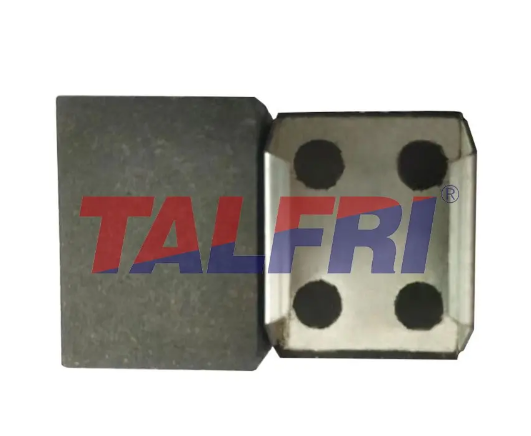
Not all friction materials react to heat in the same way. Resin base compounds and metallic compounds have chemically distinct requirements. Treating them identically can ruin a new set of pads.
| Material Type | Typical Use Case | Heat Sensitivity | Bed-In Protocol |
|---|---|---|---|
| Resin Base (Organic) | MTB, Light Motorcycles, Daily Commuters | High. Glazes easily if overheated too quickly. | More repetitions (10-20) at lower braking force. Avoid locking up. |
| Semi-Metallic / Sintered | Performance Cars, Trucks, Downhill MTB | Low. Thrives on high heat. | Requires higher temperatures. Aggressive braking (60mph to 10mph). |
| Ceramic | Luxury Vehicles, Heavy Commuting | Moderate. Needs heat to transfer effectively. | Firm, consistent stops. Less aggressive than metallics but firmer than resin. |
These pads are common on mountain bikes, light motorcycles, and compact cars. They offer quiet operation and strong initial bite. However, they possess high heat sensitivity. If you overheat them too fast, they glaze over. This creates a shiny, mirror-like surface that offers zero friction. The protocol for resin base items involves more repetitions (10-20) but at lower braking force. You must be patient and avoid skidding.
These compounds are designed for performance vehicles and heavy trucks. They require higher temperatures to initiate material transfer. The binders are tougher and need more energy to cure. The protocol often involves aggressive braking from 60mph down to 10mph. You must generate enough heat to soften the material slightly, allowing it to coat the rotor.
Some premium manufacturers "scorch" or burnish their pads at the factory. This step releases the initial gases from the bonding agents. These pads are an exception to the aggressive bed-in rule. They typically require a gentle break-in period of 300-400 miles of normal driving. Always check the box insert to see if your disc brake pads are pre-scorched.
Even with careful installation, issues can arise. Understanding the symptoms helps you solve them without replacing expensive parts unnecessarily.
Many drivers feel a pulsing pedal and assume, "My rotors are warped." This is a widespread myth. Physical warping of a cast iron rotor is extremely rare. The reality is usually uneven pad deposits. This happens when you stop completely during the bed-in process while the brakes are hot. The pad leaves a thick imprint on one spot of the rotor. Every time that spot passes the caliper, you feel a pulse. The fix is to re-do the bed-in cycle aggressively. You need to scrub the old layer off and lay down a new, even one.
A persistent squeal often indicates glazing. This occurs when resin base pads are overheated before they are fully cured. The surface turns into a hard, glass-like finish. To fix this, remove the pads. Place a sheet of sandpaper on a flat surface and lightly sand the friction material. You want to break the glaze and expose fresh material. Clean the rotors with Isopropyl Alcohol and restart the process.
If the pedal feels like stepping on a wet sponge, air is likely trapped in the lines. This often happens if the system was bled during the service. It can also result from mechanical compliance if the pads are not seated flat. Re-bleed the brakes to ensure a solid hydraulic column. Verify that the pads are seated squarely against the piston face.
Deciding between a full system overhaul and a simple pad swap is a common dilemma. Understanding the economic and performance trade-offs helps you make better maintenance decisions.
Installing new pads on old, grooved rotors is known as a "pad slap." While cheaper upfront, it reduces the initial contact area by up to 40%. The flat new pad rides on the peaks of the old rotor's grooves. This leads to poor braking performance until the pad wears down to match the rotor's imperfections.
You must measure the rotor thickness. Is it above the "Discard Thickness" stamped on the hub? If it is close to the limit, replace it. Also, check the lip edge. A pronounced rust ridge indicates heavy wear. If the ridge is significant, it will cut into the new pad or cause noise.
Replacing rotors with pads prevents premature pad wear and noise. Although the upfront cost is higher, it often saves money over a 20,000-mile horizon. You avoid the labor cost of having to go back in to change warped or noisy rotors later. A fresh surface ensures your new disc brake pads replacement delivers maximum value and safety immediately.
The first 500 miles after a brake job are critical. Your new components are settling, curing, and establishing the vital transfer layer. Remember that a disc brake pads replacement is not complete until this chemical and physical bond is formed. Treat the bedding-in process with the same seriousness as the torque specs on your caliper bolts.
Finally, always consult the specific manufacturer instructions. The chemistry varies significantly between brands like Hawk, Brembo, and Shimano. Following their tailored advice ensures you get the stopping power you paid for, without the noise you want to avoid.
A: Typically, it takes 300 to 500 miles to achieve a full cure. However, the initial "bed-in" process happens in the first 20 minutes. This initial cycle establishes the transfer layer, while the subsequent miles allow the deeper resins to cure fully. Drive moderately during this period.
A: No. Brake cleaner is harsh and designed for metal parts only. It can damage the binders in resin base pads, causing them to crumble or degrade. Use Isopropyl Alcohol if you need to clean the rotors. Never spray solvents directly onto the friction material.
A: This is the curing process of the resins and binders. It is normal during the bed-in cycle. You are cooking off volatile compounds. As long as the smell is faint and not accompanied by heavy smoke or brake fade, it is a sign the process is working.
A: Yes, ceramic pads still require a transfer layer to function correctly. However, the procedure is often less aggressive than what is required for performance metallic pads. Consult the instructions on the box, as overheating ceramic pads too early can lead to glazing.
A: If you are changing friction material types, such as moving from Organic to Metallic, yes. You need to remove the old transfer layer to prevent cross-contamination. Old deposits can prevent the new material from bonding, leading to noise and reduced power. Use fine-grit sandpaper and clean thoroughly.


