
Views: 0 Author: Site Editor Publish Time: 2026-04-13 Origin: Site


Choosing the right braking system is a high-stakes decision for any performance enthusiast. You face significant financial and dynamic impacts whether you are specking a new supercar, considering an aftermarket upgrade, or maintaining your current setup. Aerospace-derived braking technology carries immense prestige. Modern performance vehicles routinely exceed 500 horsepower. Consequently, they demand exceptional, repeatable stopping power. However, the realities of owning these exotic systems bring severe replacement liabilities and specific operational compromises. You must understand exactly what you are buying before checking the option box.
Carbon ceramic setups are not universally "better" than traditional iron components. Instead, they represent a highly specialized engineering solution. They trade conventional wear characteristics for extreme thermal stability, massive weight reduction, and uncompromising aesthetics. Many buyers specify them for the wrong reasons. In this guide, we will break down the technical realities of this advanced technology. You will learn the true advantages, the hidden physical vulnerabilities, and how to match these expensive components to your realistic driving habits.
Weight Reduction: Shaves up to 50% off unsprung rotational mass, tangibly improving suspension response and acceleration.
Daily Drivability vs. Track Reality: Perfect for aggressive street driving and zero brake dust, but extreme, dedicated track use can lead to rapid oxidation and five-figure replacement costs.
Maintenance Shift: Wear is measured by weight (carbon loss), not thickness. Physical fragility makes wheel changes and deep potholes significant liability risks.
System Reliance: Rotors alone do not dictate stopping distance; performance relies heavily on tire grip, ABS limits, and matching them with custom high quality carbon ceramic brake pads.
Many drivers mistakenly believe their street cars use the exact same brakes as Formula 1 race cars. This is a persistent and misleading myth. Formula 1 vehicles utilize pure Carbon-Carbon (C/C) components. These pure racing parts require extreme heat simply to function. They offer virtually zero stopping power when cold, making them dangerous for public roads. Street cars use a fundamentally different material altogether. We call this the Carbon Ceramic Matrix (CCM).
Manufacturers build a carbon ceramic base by carefully blending chopped carbon fibers with a specialized silicon resin. They place this composite mixture into a mold and apply immense pressure. The manufacturing reality is incredibly extreme. The discs undergo a complex chemical process called pyrolysis. Baking them in specialized high-temperature kilns transforms the resin into hard silicon carbide. It takes roughly three weeks of continuous processing to create one single CCM disc. In stark contrast, producing a standard cast iron disc takes roughly 90 minutes. This massive difference in production time, energy, and labor establishes the baseline for their exceptionally high price tag.
CCM components also handle heat fundamentally differently than traditional iron. Cast iron absorbs thermal energy. It acts as a massive physical heat sink. The iron then slowly conducts this heat outward into the wheel hub. Carbon ceramic materials behave differently. They possess a much lower thermal conductivity. They rely on their massive internal surface areas and intricate venting structures to rapidly radiate heat away. They aggressively push heat outward into the surrounding air rather than soaking it deep into the mechanical hub. This fundamentally changes how the entire wheel well manages peak temperatures during spirited driving.
Cutting unsprung rotational mass transforms vehicle dynamics completely. Carbon Ceramic Brake Rotors shave up to 50% of the weight compared to equivalent iron discs. You feel this physical reduction immediately behind the wheel. Heavy iron discs act like massive gyroscopes at highway speeds. They resist changes in direction. Lighter wheels and brakes allow your suspension to track road imperfections much faster. Your dampers work less hard to control the vertical wheel movement. Steering feels noticeably sharper. Acceleration improves because the engine expends less energy spinning heavy rotational mass. We frame this as an overarching dynamic vehicle upgrade rather than just a simple braking improvement.
Luxury buyers deeply appreciate the everyday lifestyle benefits. Traditional friction materials produce heavy, corrosive black dust. This dust embeds itself into wheel clear coats and ruins the appearance of the car. CCM materials eliminate this frustrating issue entirely. Your expensive alloy wheels stay remarkably clean for weeks. Furthermore, iron discs rust overnight when exposed to rain or humidity. We call this ugly phenomenon "flash rust." Ceramic materials are completely immune to moisture-induced surface rust. Your wheels always look pristine, even after a heavy storm.
Under aggressive street driving, thermal stability remains phenomenal. You maintain incredibly consistent friction coefficients (μ) during long canyon drives. Brake fade occurs when overheated pads generate trapped gases. These gases push the friction pad away from the disc surface. Ceramic systems resist this fade brilliantly. They thrive during moderate track days where temperatures stay within optimal operating windows. These systems easily handle repeated heavy stops up to roughly 1,400°F without losing pedal feel.
We must state a verifiable reality about everyday longevity. If you keep them off severe track duty, they last an incredibly long time. You must also protect them from blunt physical impacts. Under normal commuting and spirited weekend driving, they experience almost zero physical friction wear. These units frequently outlast the vehicle's actual ownership lifecycle. You might never need to replace them if you strictly drive on public roads.
Feature | Cast Iron Discs | Carbon Ceramic Discs |
|---|---|---|
Unsprung Weight | Heavy (Increases rotational inertia) | Light (Up to 50% lighter) |
Brake Dust | High (Corrosive, rapid buildup) | Virtually None |
Corrosion | Highly susceptible to flash rust | Completely immune to rust |
Track Longevity | Excellent (Predictable physical wear) | Poor (Rapid internal oxidation at high temps) |
Replacement Liability | Low to Moderate | Extremely High (Often five figures) |
Dedicated track days expose a hidden engineering truth. Sustained, extreme track temperatures severely punish CCM discs. They do not merely wear down via physical friction like iron. When core temperatures exceed 600°C for prolonged periods, the carbon structurally oxidizes. It literally vaporizes into carbon dioxide gas. This rapid material loss compromises the internal core. The outer surface might look completely fine to the naked eye. However, the unit loses structural density. Once the density drops below a critical threshold, it becomes unsafe.
The ceramic matrix is also extremely brittle. Physical fragility introduces severe handling liabilities on public roads. Direct impacts from high-speed potholes can shatter the disc entirely. Mechanics must also exercise extreme caution during routine maintenance. Accidentally chipping the outer lip with a heavy wheel barrel during a tire swap destroys the component. Many specialized shops mandate the use of wheel guide pins. These long metal rods screw directly into the hub. They physically prevent the heavy wheel from dropping onto the fragile disc lip during removal.
Daily drivability comes with specific behavioral compromises. Noise, Vibration, and Harshness (NVH) often plague these systems. You might experience annoying, high-pitched squealing at low speeds around town. During cold or wet weather, the brake pedal often feels "spongy" and unresponsive. The materials require heat to generate proper friction. You must actively warm them up before they bite effectively. Leaving a car wash often results in a terrifying lack of initial braking power until the moisture burns off.
We frame a complete replacement as a major financial event. A new set often ranges from $15,000 to well over $30,000 depending on the manufacturer. This is a staggering liability for any owner. Furthermore, routine inspections require highly specific tools. You cannot simply measure their wear with standard thickness calipers. Technicians must use specialized digital scales. They weigh the unit to calculate internal carbon loss against a minimum weight stamped on the hub. Some modern systems require sonic frequency tools to accurately measure internal density.
A disc cannot stop a car by itself. Braking requires an interconnected system. CCM systems rely entirely on establishing a proper transfer layer. This is a microscopic film of pad material. A strict bedding-in process deposits this thin film onto the disc face. The pads actually grip this film rather than the bare disc. Without this precise layer, the pads scrape aggressively against bare ceramic. This causes severe vibration, massive noise, and rapid surface damage.
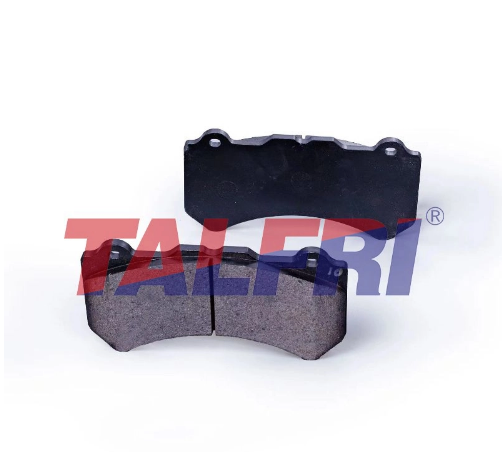
You cannot use standard friction materials on these setups. Standard pads will instantly destroy the expensive disc surface. Maintaining optimal bite requires custom high quality carbon ceramic brake pads. Manufacturers formulate these specifically for the ceramic matrix. They contain specialized resins and fibers. These compounds ensure the transfer layer remains stable under immense heat. Never experiment with unverified, cheap pad formulas on a delicate ceramic setup.
Many drivers mistakenly buy expensive discs to solve track overheating issues. They completely ignore the rest of the system. This wastes money and rarely solves the core problem. We always present the industry-standard upgrade path. You should follow this hierarchy before altering your main hardware:
High-Temperature Brake Fluid: Upgrade to a premium racing fluid to prevent boiling and a soft pedal.
Aggressive Pad Compounds: Switch to track-focused friction materials designed for higher heat ceilings.
Cooling Air Ducts: Route fresh, turbulent air directly to the wheel hub to extract heat.
Larger Hardware: Finally, increase the thermal mass by installing larger discs and multi-piston calipers.
To make the best choice, you must honestly evaluate how you use the vehicle. We divide owners into two primary profiles.
Verdict: Highly recommended.
Why: You possess an ample budget. You desire flawless aesthetics and hate looking at dirty wheels. You value the handling benefits of reduced unsprung weight. Your aggressive street driving will rarely hit the extreme oxidation temperature threshold. For grand touring, this technology provides a perfect, low-maintenance lifespan. You get all the prestige with none of the track penalties.
Verdict: Reconsider or Swap immediately.
Why: The cost-per-lap becomes economically unviable. Sustained track temperatures will rapidly vaporize the internal carbon structure. You will destroy a $20,000 setup in just a few track weekends. A common industry practice involves removing factory CCM setups before track season begins. Drivers replace them with high-end, heavy-duty cast iron systems. This smart strategy preserves the pristine OEM carbon units for future vehicle resale.
Carbon ceramic technology represents a massive investment in automotive engineering. You are paying a premium for unsprung weight reduction, thermal consistency, and absolute wheel cleanliness. Do not treat them as a magic bullet for drastically shorter absolute stopping distances. Tires and ABS calibration dictate ultimate stopping power. If you are specking a new performance car, carefully align the option box with your realistic driving habits. Skip them if you practically live at the racetrack. If you currently own them and face a massive replacement bill, evaluate high-tier cast iron conversion kits. A heavy-duty iron kit will withstand sustained track abuse for a fraction of the replacement price, giving you peace of mind while pushing your vehicle to its limits.
A: No. Absolute stopping distance is largely dictated by tire grip and ABS limits. Upgraded discs prevent thermal fade over repeated heavy stops. They ensure consistency rather than reducing the initial braking distance of a single panic stop.
A: Mechanics measure the physical mass of the disc. Because the carbon oxidizes and vaporizes at extreme temperatures, wear is calculated by weighing the unit to determine internal carbon loss. Measuring surface thickness is ineffective.
A: The specific friction materials and the required transfer layer can degrade during gentle street driving. They require high operating temperatures to eliminate glazing. Without sufficient heat, the pads scrape rather than grip, causing high-frequency vibrations and squealing.
A: No. A physical chip compromises the structural integrity of the entire ceramic matrix. Because of the intense forces and thermal stress involved in heavy braking, a single chip usually mandates a complete replacement of the affected unit.


